

- Why Are Traditional Drying Methods Prone to Defects?
- How Does Microwave Drying Solve These Problems Mechanistically?
- Typical Application Scenarios: Which Companies Need Industrial Microwave Drying Equipment the Most?
- Equipment Specifications
- Application Industries
- Four Core Advantages
- Why Production Managers Favor Microwave Drying Technology
- Conclusion
Honeycomb ceramics are widely used in environmental protection and catalyst fields. However, due to their highly sensitive internal structure, the drying process often faces numerous challenges. Many manufacturers frequently encounter the following problems in production: cracking after drying, warping, uneven moisture distribution, and low production efficiency. Microwave drying technology can effectively solve these problems at their root.
Why Are Traditional Drying Methods Prone to Defects?
Honeycomb ceramics have thin walls and dense pores, resulting in poor thermal conductivity. Traditional hot air drying relies on surface-to-interior heat conduction. When surface moisture evaporates rapidly, the internal moisture migration rate cannot keep up, creating an internal-external humidity gradient and generating drying stress. When this stress exceeds the strength of the ceramic body, it leads to cracking or warping. This is the fundamental reason why even with extended drying times, it is difficult to completely avoid defects.
How Does Microwave Drying Solve These Problems Mechanistically?
The core advantage of microwave drying lies in its volumetric heating and selective heating. Microwave energy can penetrate the material, be directly absorbed by internal water molecules, and converted into heat energy, causing simultaneous heating and dehydration inside and outside the ceramic body. This heating method fundamentally eliminates the humidity gradient, significantly reducing the possibility of drying stress. Meanwhile, because energy acts directly on water molecules, rather than being transferred through air or kiln walls, its thermal efficiency is significantly higher than traditional methods. This is the physical basis for its ability to drastically shorten the drying cycle.
Typical Application Scenarios: Which Companies Need Industrial Microwave Drying Equipment the Most?
In actual production, the following types of honeycomb ceramic manufacturers have the most urgent need for efficient and stable drying solutions. These are also the core application scenarios for Pindom industrial microwave dryers:
- Environmentally Friendly Catalyst Carrier Manufacturers:These companies produce honeycomb ceramic carriers with high pore counts and thin walls, requiring extremely high yield rates. Traditional drying easily leads to micro-cracks, directly affecting the catalyst coating effect and service life. Using industrial microwave drying equipment can achieve low-temperature uniform dehydration, significantly reducing the cracking rate and meeting the stringent drying requirements of high-precision carriers. This is a key process in ensuring quality during the honeycomb ceramic drying process.
- RTO/RCO Regenerative Ceramic Manufacturers:Regenerative ceramics are large and thick, and traditional drying cycles can last for tens of hours. Furthermore, uneven internal and external moisture content is prone to occur, leading to deformation and scrap after sintering. Microwave drying enables synchronized heating, reducing the drying cycle to less than one-third of traditional processes. It perfectly matches the pace of automated ceramic production lines, helping companies increase capacity and reduce energy consumption, aligning with the current industry trend of energy-efficient drying.
- New Energy and Special Ceramic Component Manufacturers:These products are mostly small-batch, multi-specification customized products, requiring stringent flexibility and consistency in drying. Pindom equipment supports customized dimensions and precise control of the variable frequency microwave power supply, allowing for rapid switching between drying processes for different products without frequent tooling changes. This meets customized production needs while ensuring consistent moisture content in each batch, helping companies improve yield and achieve flexible production.
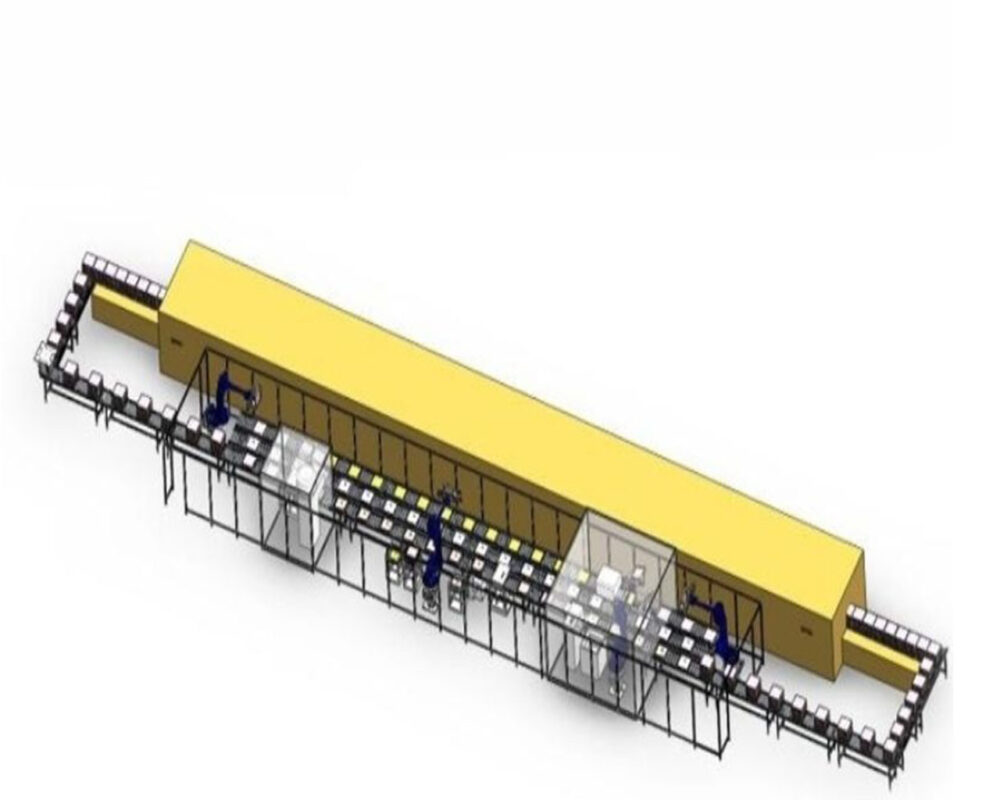
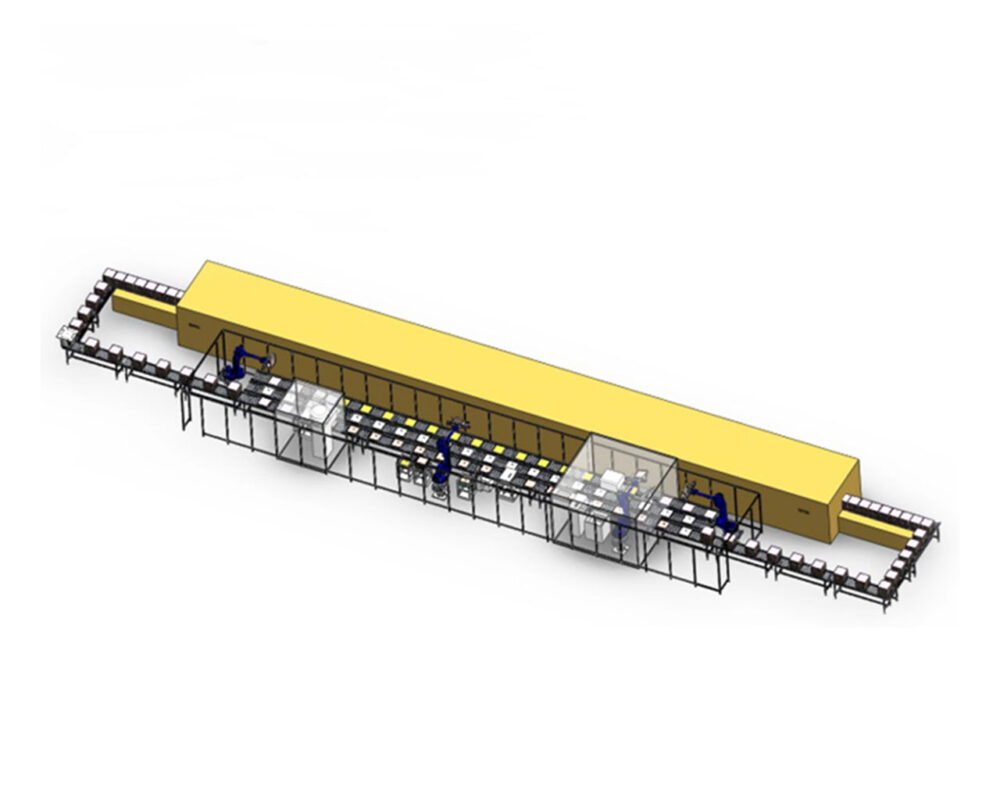
- Companies Upgrading Outdated Drying Lines:Existing hot air drying equipment suffers from high energy consumption, high labor costs, and high defect rates, necessitating upgrades. Microwave drying systems are easy to integrate and can be directly connected to existing automated ceramic production lines. Without large-scale factory reconstruction, automation and energy-saving upgrades to the drying process are achieved at a lower cost, quickly recovering investment costs.
Equipment Specifications
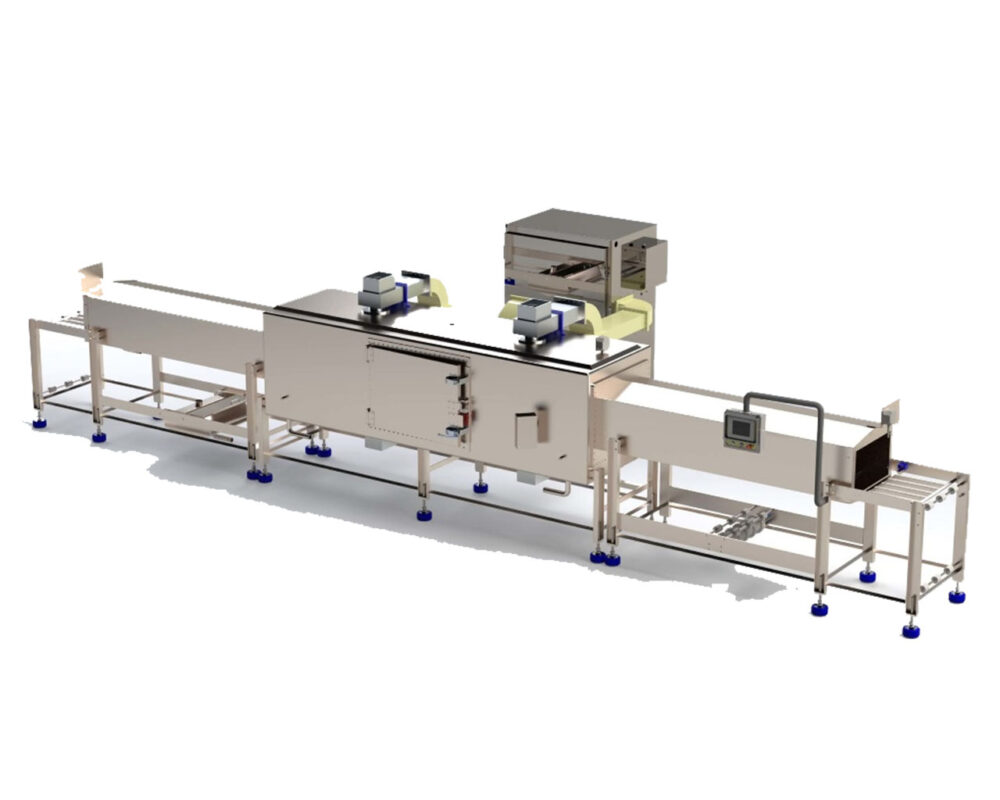
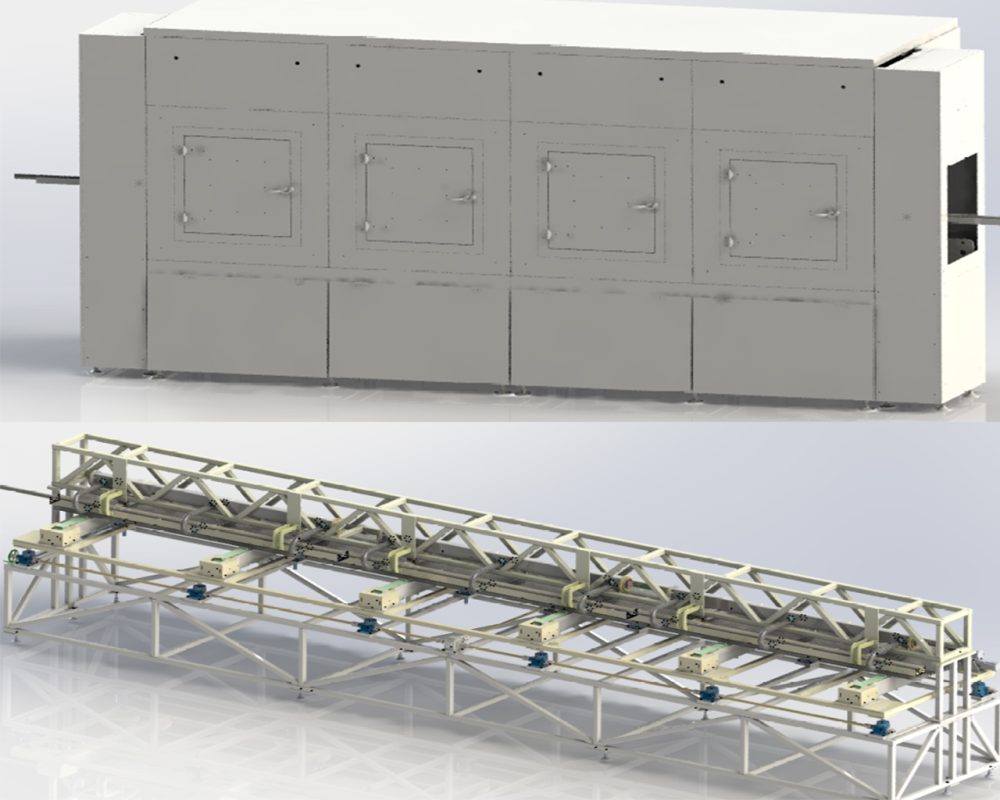
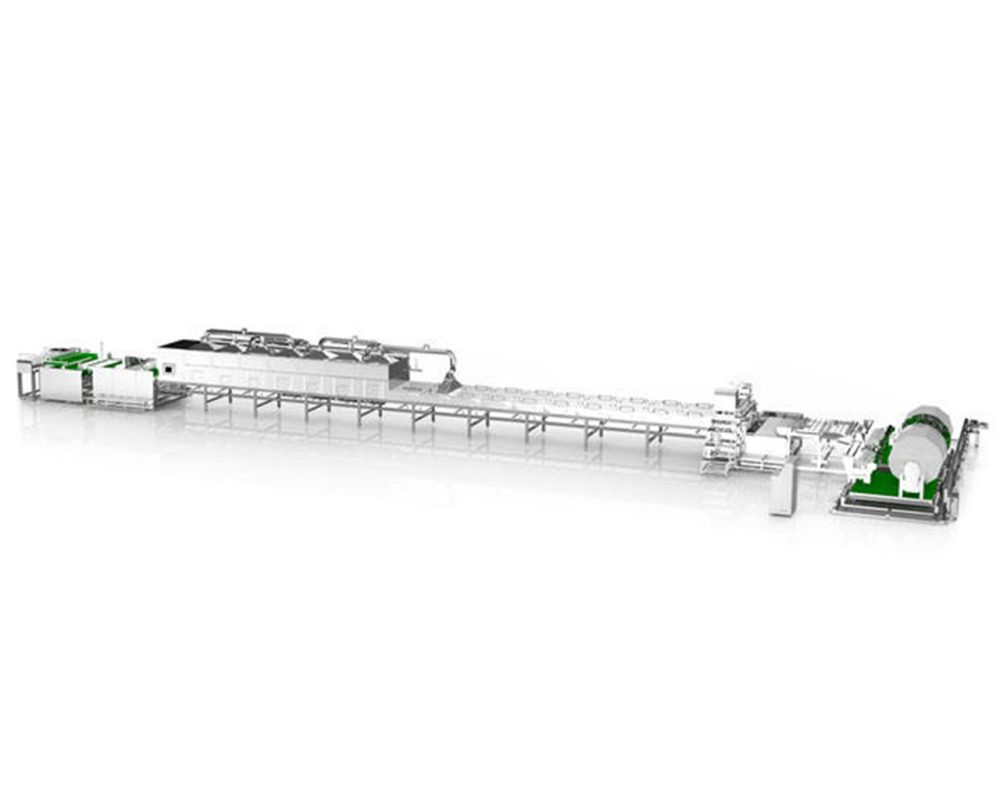
- Dimensions:Customizable, standard length 10-30 meters
- Processing Capacity:Dehydration capacity 20-300 kg/hour
- Equipment Weight:2-10 tons
- Main Material:Stainless steel structure
- Control System:PLC and LCD touchscreen control, equipped with variable frequency microwave power supply
Application Industries
This equipment is suitable for drying honeycomb ceramics, heat storage ceramics, and similar ceramic products.
Four Core Advantages
- Shortened Drying Cycle:Microwave energy directly acts on the internal moisture of the material, significantly reducing processing time.
- Reduced Labor Costs:Achieves automated operation, minimizing manual intervention.
- Improved Product Consistency:Effectively reduces product deformation through uniform heating, significantly increasing yield.
- Easy System Integration:Seamlessly integrates with automated ceramic production lines.
Why Production Managers Favor Microwave Drying Technology
Production managers typically focus on two core indicators: product qualification rate and production speed. Microwave drying technology can simultaneously improve both indicators, allowing manufacturers to achieve more stable production results without repeatedly adjusting drying parameters to avoid defects.
Conclusion
In conclusion, drying quality directly determines the final performance of honeycomb ceramic products. Pindom industrial microwave dryers integrate automated control and uniform heating technology, helping manufacturers significantly improve production efficiency while effectively ensuring a high degree of product quality consistency. Whether for environmentally friendly carriers, heat storage ceramics, or special ceramics production, stable and reliable drying performance creates tangible production value for enterprises.