
- A Three-Stage Weighing System
- Robotic Handling Across the Production Line
- Separating Qualified and Unqualified Products
- Weighing Integrated With Microwave and Hot-Air Drying
- Practical Value for Ceramic Production
- Built Around an Automated Honeycomb Ceramic Production Line
- Conclusion
In ceramic manufacturing, quality control is more effective when process conditions are checked before products reach the end of the line. Pindom’s Honeycomb Ceramic Automatic Tunnel Ceramic Honeycomb Substrate Making Production Line Honeycomb Ceramic Auto Production Line integrates weighing checkpoints into the drying process, enabling multi-stage inspection instead of relying solely on final checks.
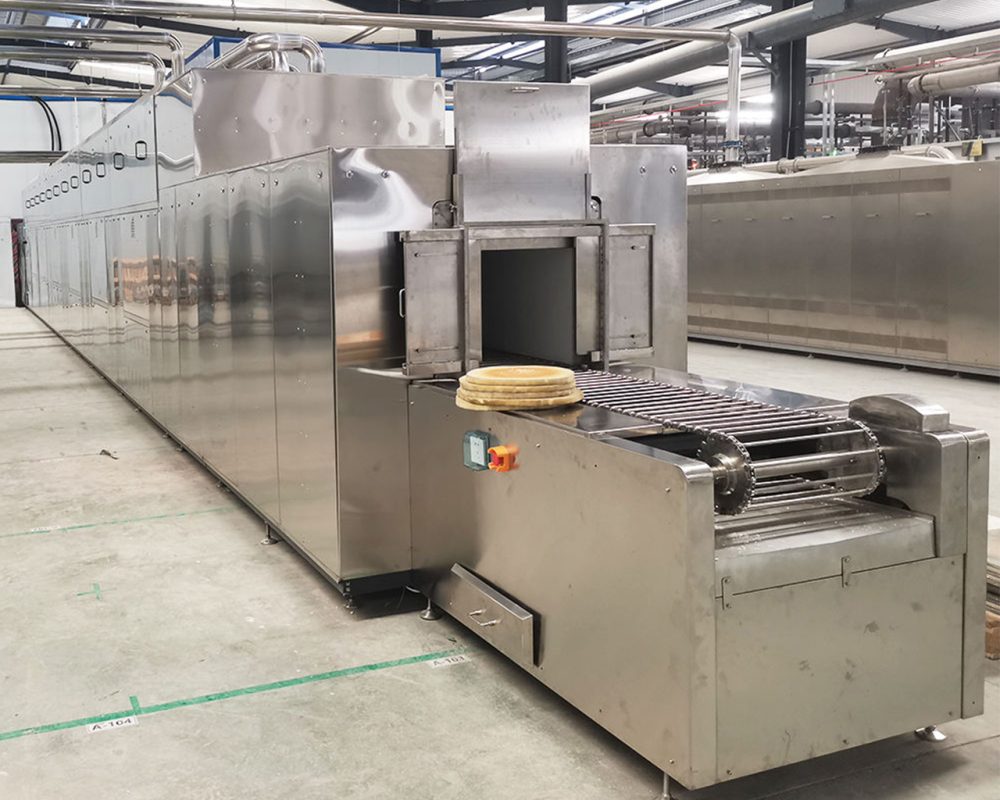
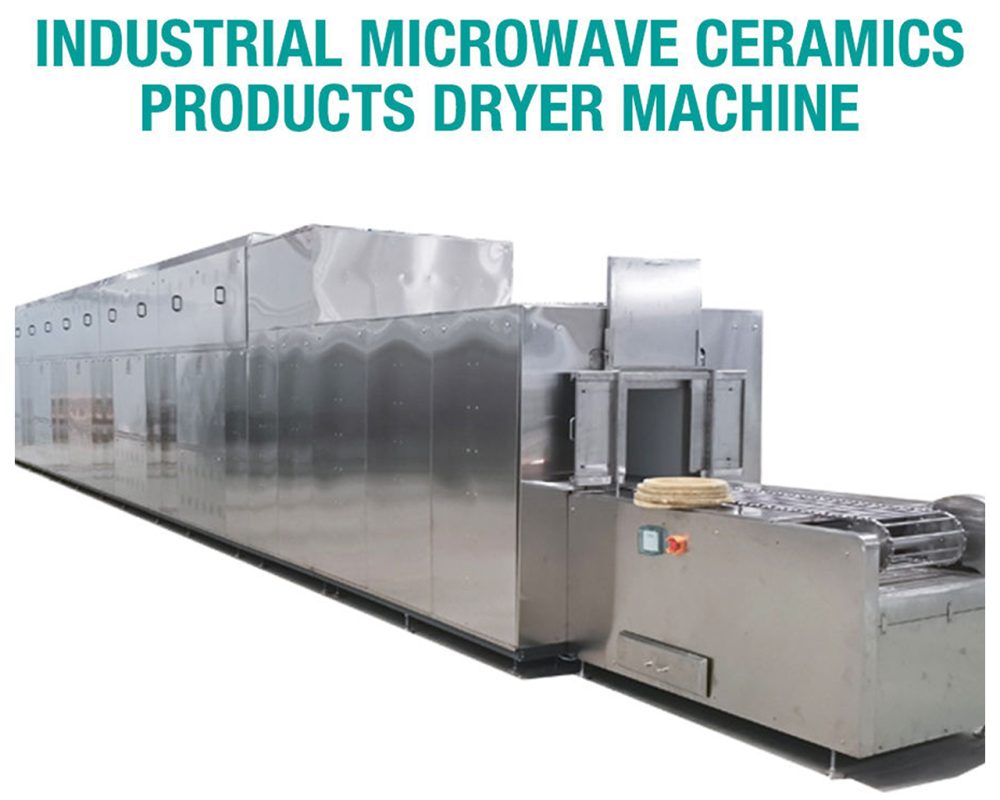
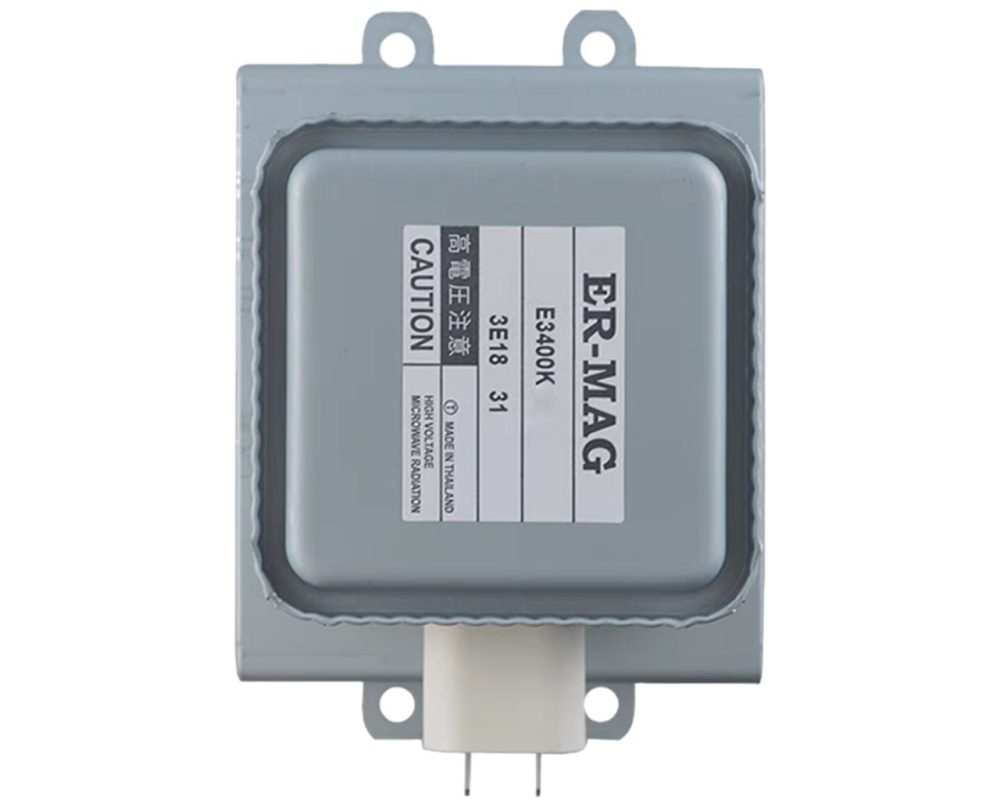
The system combines electronic weighing, robotic handling, microwave drying, and hot-air drying into a continuous inspection flow. Qualified products continue through the line; unqualified products are diverted to an NG line, giving manufacturers more opportunities to detect abnormalities during production.
A Three-Stage Weighing System
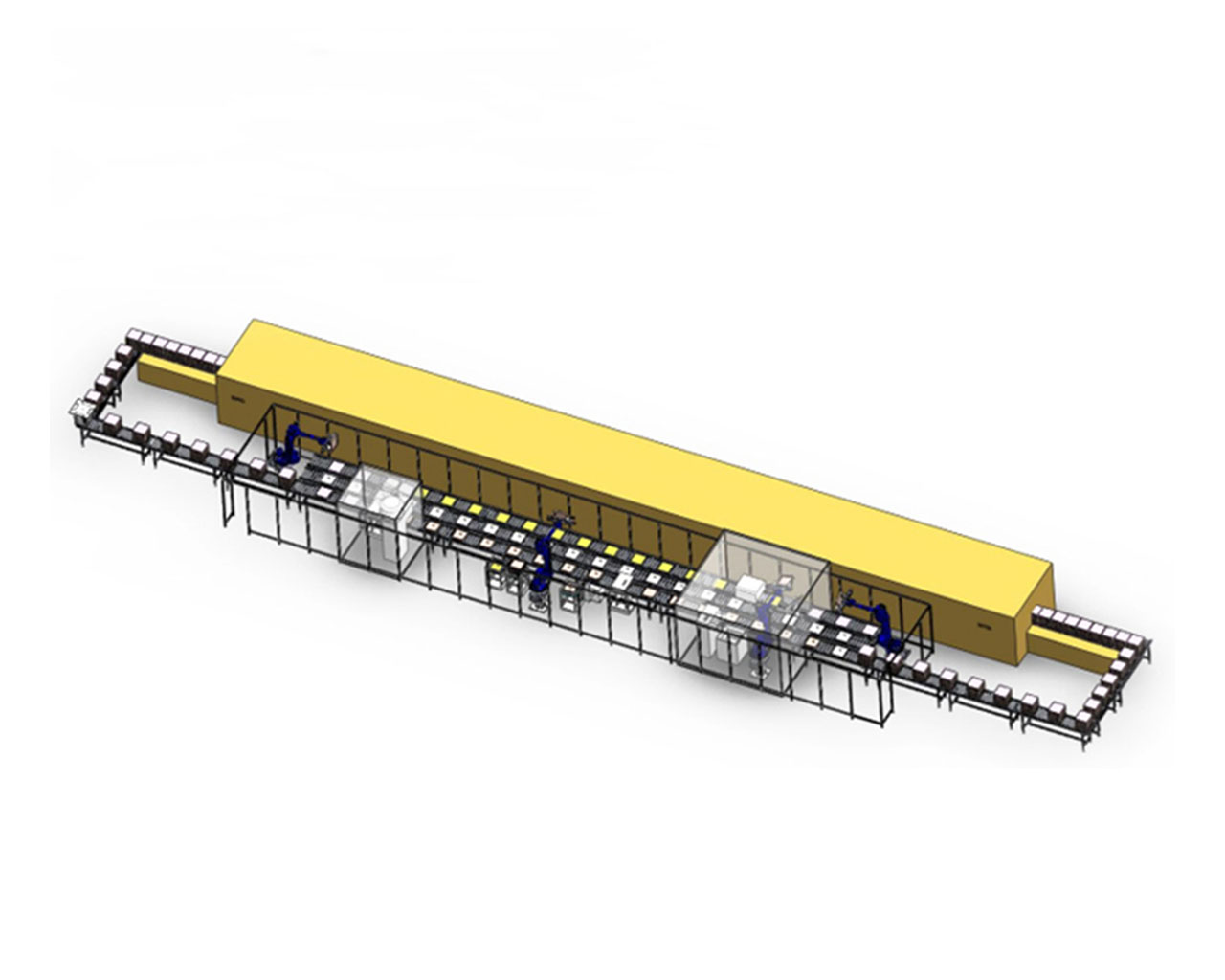
The weighing automation centers on three positions: before microwave drying, after microwave drying (before hot-air drying), and after hot-air drying.
Before Microwave Drying
A pallet positioning mechanism and weighing station are added before the microwave section. The robot transfers products one by one onto the electronic scale. Qualified products return to their original tray positions; unqualified products move to the NG line. This early check separates non-conforming items before microwave drying begins.
After Microwave Drying
Located at the end of the microwave tunnel and before subsequent handling equipment, the second station repeats the process. The robot places products on the scale; qualified items continue, while unqualified ones go to the NG line. This checkpoint allows inspection before products enter hot-air drying.
After Hot-Air Drying
The third station weighs products after hot-air drying. Qualified products advance to the finished-product line; unqualified products are sent to the NG line. Together, the three stations create sequential inspections across the major drying stages rather than concentrating checks only at the end.
Robotic Handling Across the Production Line
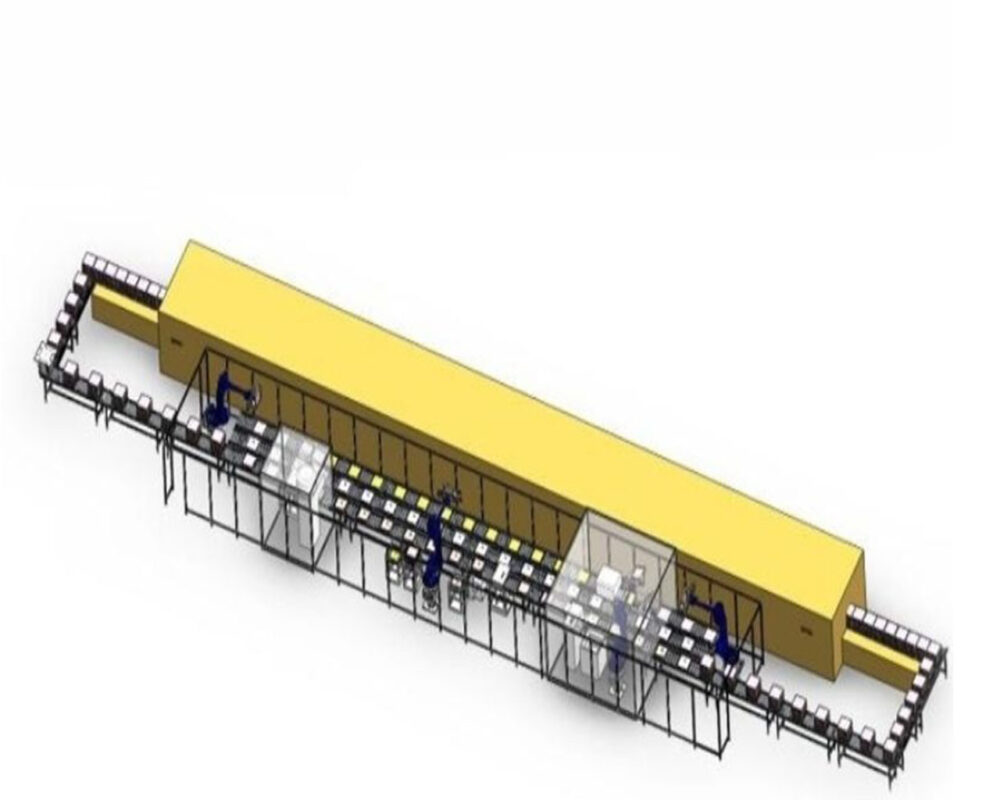
Three four-axis robots transfer products between the production line, weighing stations, trays, NG line, and finished-product line on the Pindom Honeycomb Ceramic Automatic Tunnel Ceramic Honeycomb Substrate Making Production Line Honeycomb Ceramic Auto Production Line.
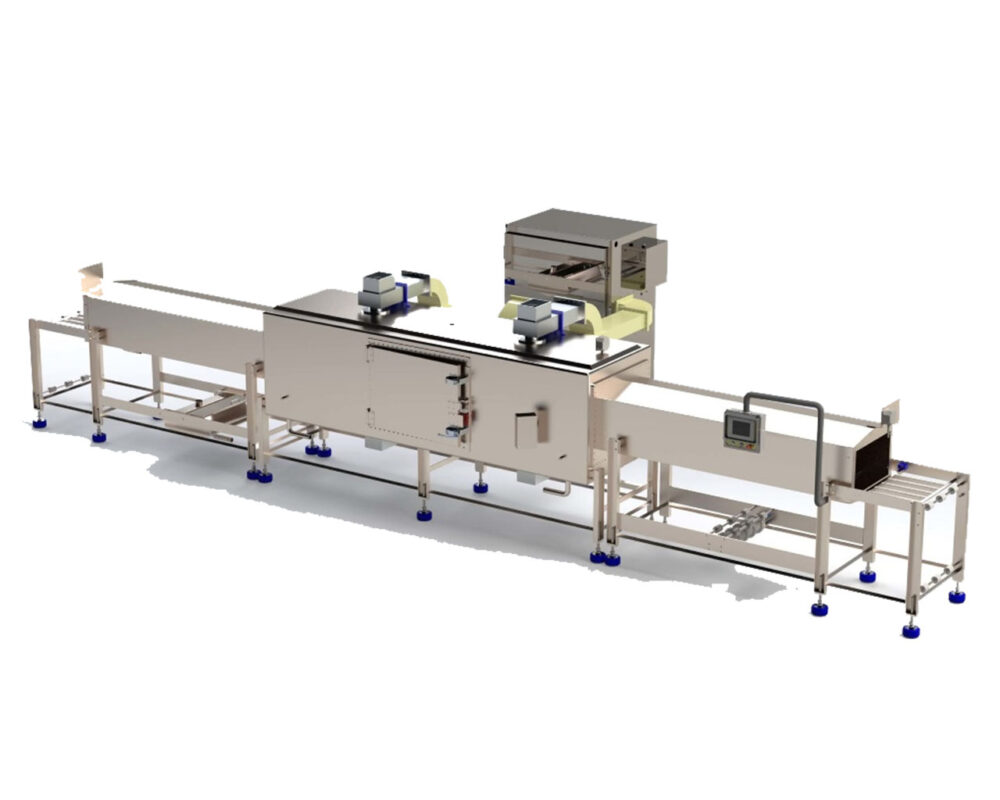
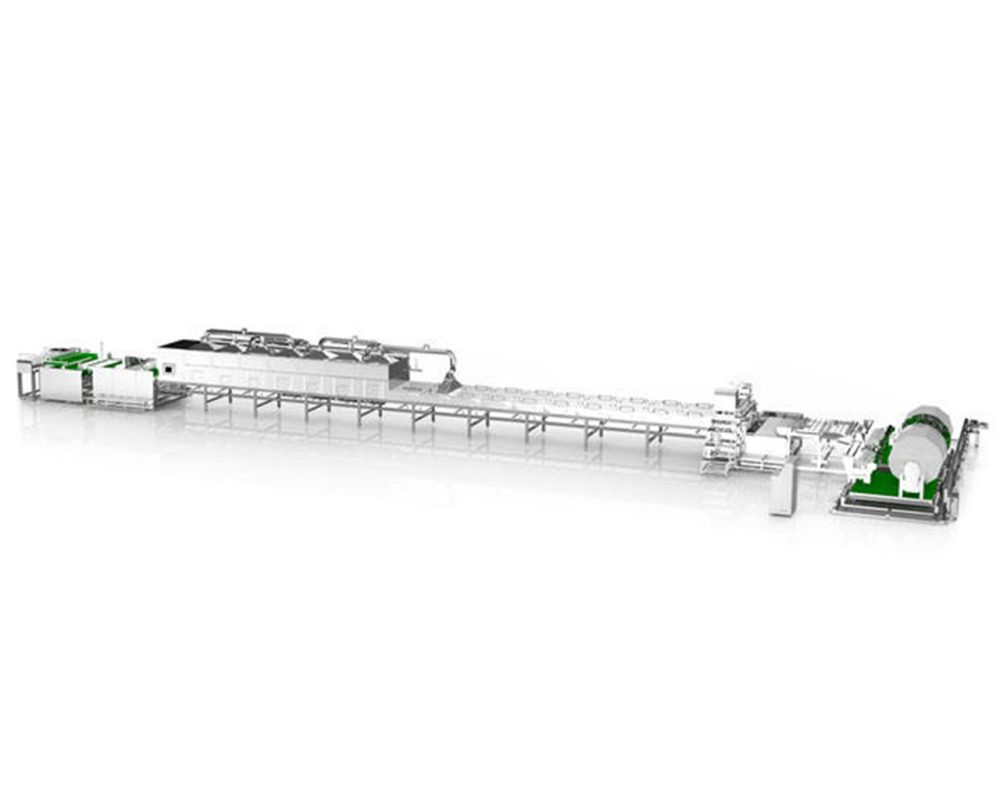
The layout integrates the microwave section, hot-air box, electronic scales, robots, and finished-product line so weighing becomes part of the existing flow. Robotic handling reduces manual transfers; at the pre-microwave station, for example, the robot weighs products in sequence before returning or rejecting them.
Separating Qualified and Unqualified Products
Products that fail weighing requirements are automatically routed to the NG line (a PVC belt with capacity sensors that trigger an alarm for manual removal). This prevents rejected items from mixing with qualified products and provides a clear path for non-conforming material.
Weighing Integrated With Microwave and Hot-Air Drying
The line uses microwave drying followed by hot-air drying. Weighing checkpoints are placed around these stages—before microwave, after microwave, and after hot air—giving manufacturers a clearer view of product weight at each drying phase instead of a single end-of-process inspection.
Practical Value for Ceramic Production
The value lies in integrating weighing, robotic handling, and product separation into the existing workflow on Pindom’s Honeycomb Ceramic Automatic Tunnel Ceramic Honeycomb Substrate Making Production Line Honeycomb Ceramic Auto Production Line. Key advantages include:
- Early weight checks before microwave drying
- Inspection after microwave drying
- Final weighing after hot-air drying
- Automatic separation of unqualified products via the NG line
- Continuous flow of qualified products
- Robotic connection between stations and the main line
These features are especially useful when production requires repeated handling and multi-stage inspection.
Built Around an Automated Honeycomb Ceramic Production Line
The weighing system forms part of a broader Pindom honeycomb ceramic automatic production line that includes automatic cutting, rotation and queuing, four-axis handling, microwave drying, hot-air drying, and related equipment. The overall process covers batching, mixing, pre-extrusion, forming, cutting, loading, drying, and sintering. Weighing automation is therefore one integrated element of a larger automated ceramic system.
Conclusion
Pindom’s Honeycomb Ceramic Automatic Tunnel Ceramic Honeycomb Substrate Making Production Line Honeycomb Ceramic Auto Production Line incorporates three weighing checkpoints—before microwave drying, after microwave drying, and after hot-air drying—supported by three four-axis robots that handle transfers between the line, scales, trays, NG line, and finished-product line.
By combining weighing automation with microwave drying, hot-air drying, and robotic handling, Pindom delivers a practical process-inspection solution for automated honeycomb ceramic production.