
- The Core Value of Pilot Testing in Industrial Drying
- Pindom’s Comprehensive Portfolio of Customized Industrial Microwave Equipment
- Typical Application Areas
- How Can Common Drying Challenges Be Solved? Which Equipment Solution Is Best?
- Conclusion
Developing an industrial drying process involves more than simply selecting equipment with the right power rating. Before introducing large-scale production machinery, manufacturers must thoroughly understand how the material responds to drying conditions, determine optimal process parameters, and validate the feasibility of the proposed production plan.
Consequently, pilot-scale and experimental equipment play a pivotal role in the process development phase. Pindom’s range of industrial microwave equipment includes various customized systems designed to support the entire workflow, from process validation to mass production.
The Core Value of Pilot Testing in Industrial Drying
Different materials respond quite differently to microwave drying versus traditional drying methods. Factors such as material composition, moisture content, and specific processing requirements directly influence the final drying outcome.
Investing in large-scale equipment without prior process validation entails significant difficulties and cost risks regarding future adjustments. The pilot testing phase allows manufacturers to study the process in depth on a smaller scale and precisely identify key areas for optimization.
For manufacturers in sectors such as pharmaceutical processing, chemicals, plastics, food ingredients, and other industrial applications, this preliminary validation stage lays a solid foundation for subsequent equipment selection and production line planning.
Pindom’s Comprehensive Portfolio of Customized Industrial Microwave Equipment
Pindom offers customized industrial microwave equipment covering every stage of the process, featuring three core equipment categories:
Experimental Industrial Microwave Equipment
Laboratory-grade equipment designed specifically for pre-production process validation. These units can be customized to specific needs, enabling manufacturers to fully explore drying processes before finalizing large-scale production configurations. Given the unique nature of each project’s process, there are no standardized testing procedures or fixed timelines; every detail is tailored to actual requirements.
Continuous Industrial Microwave Equipment
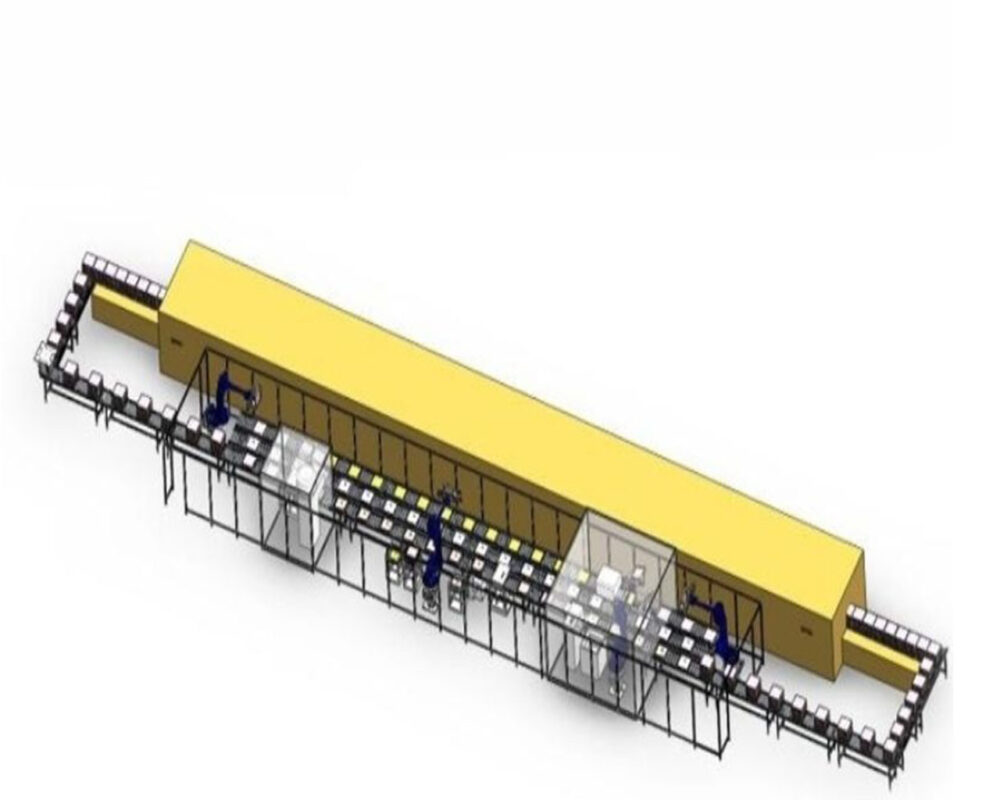
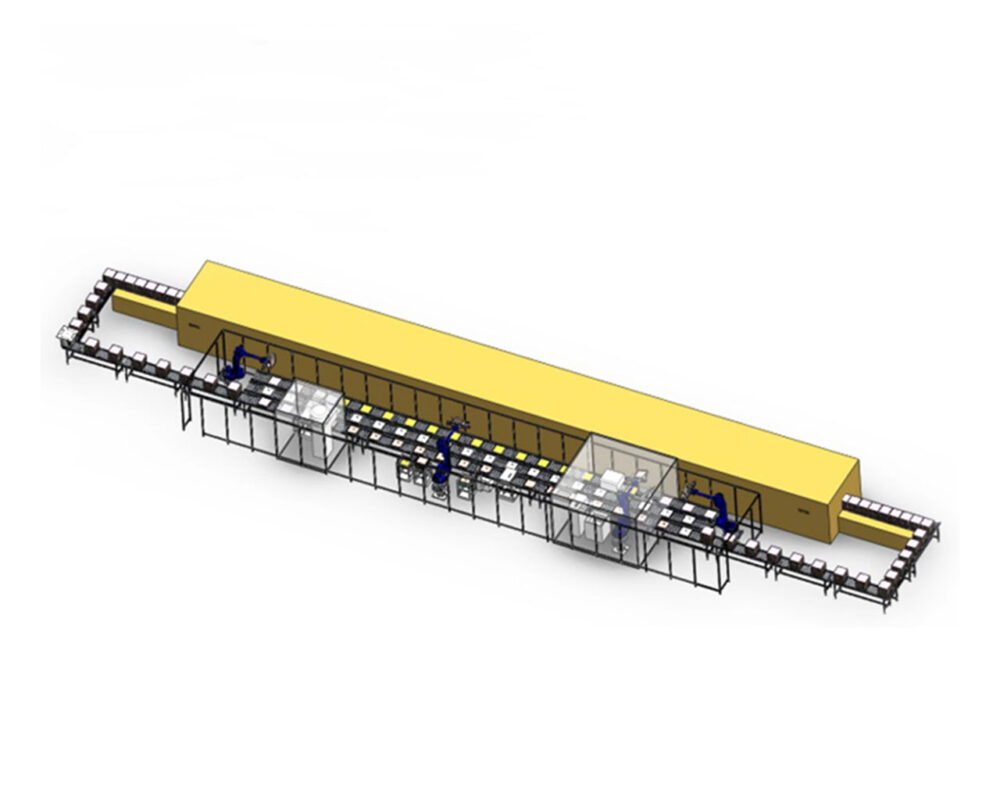
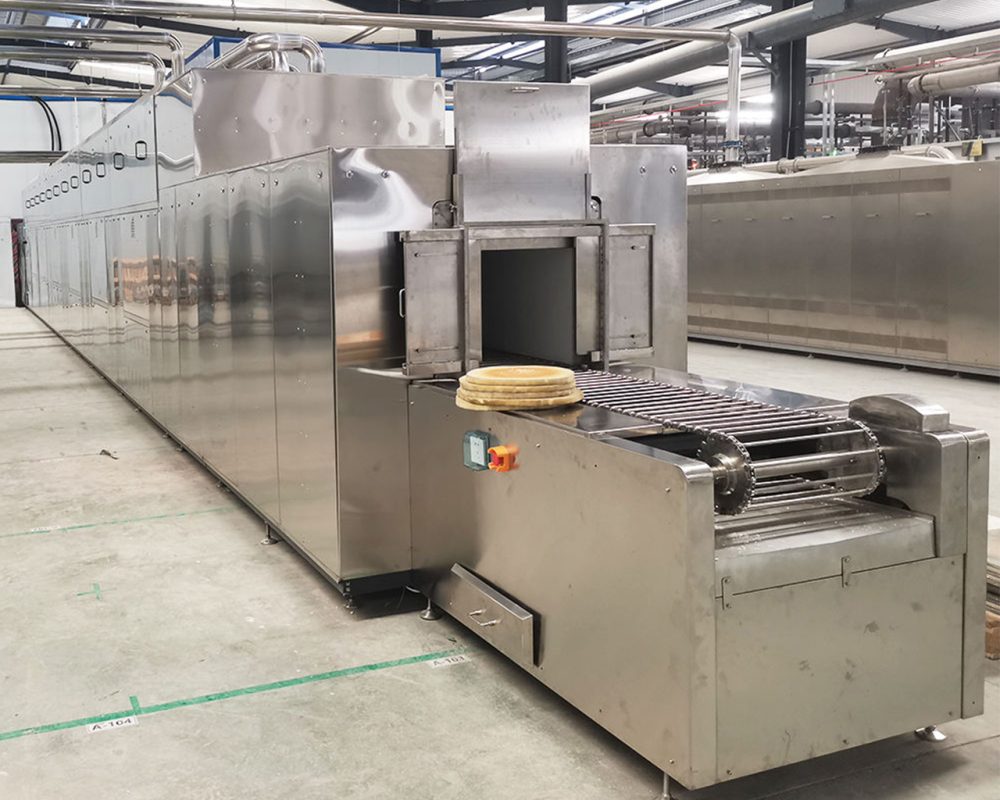
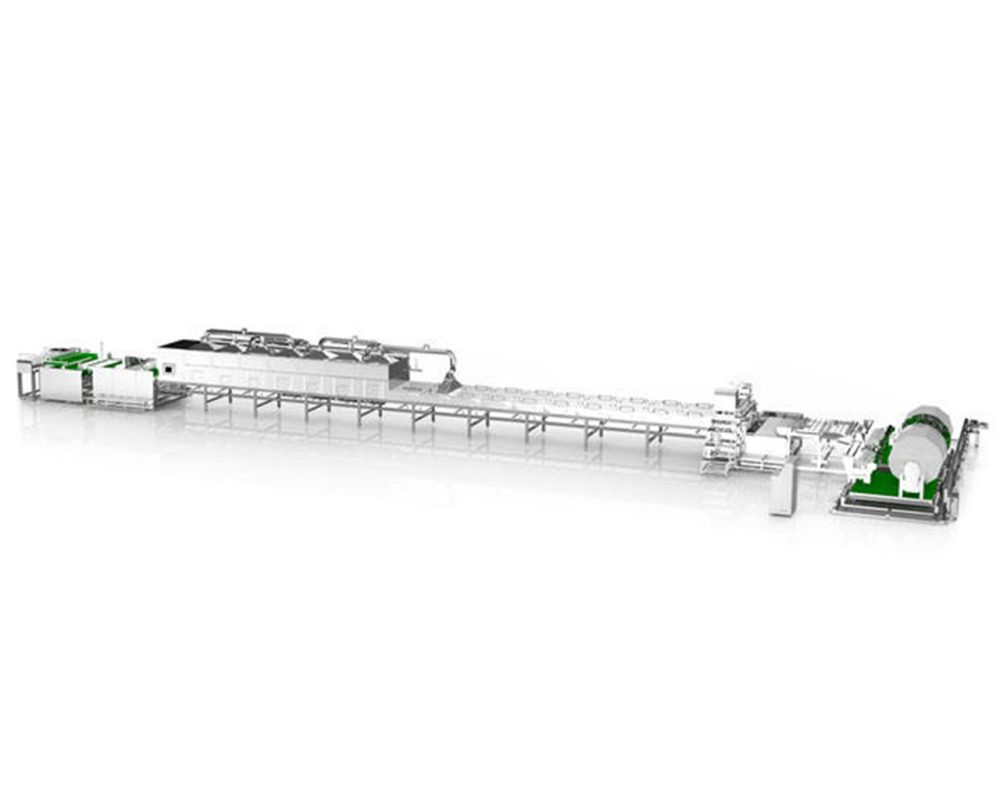
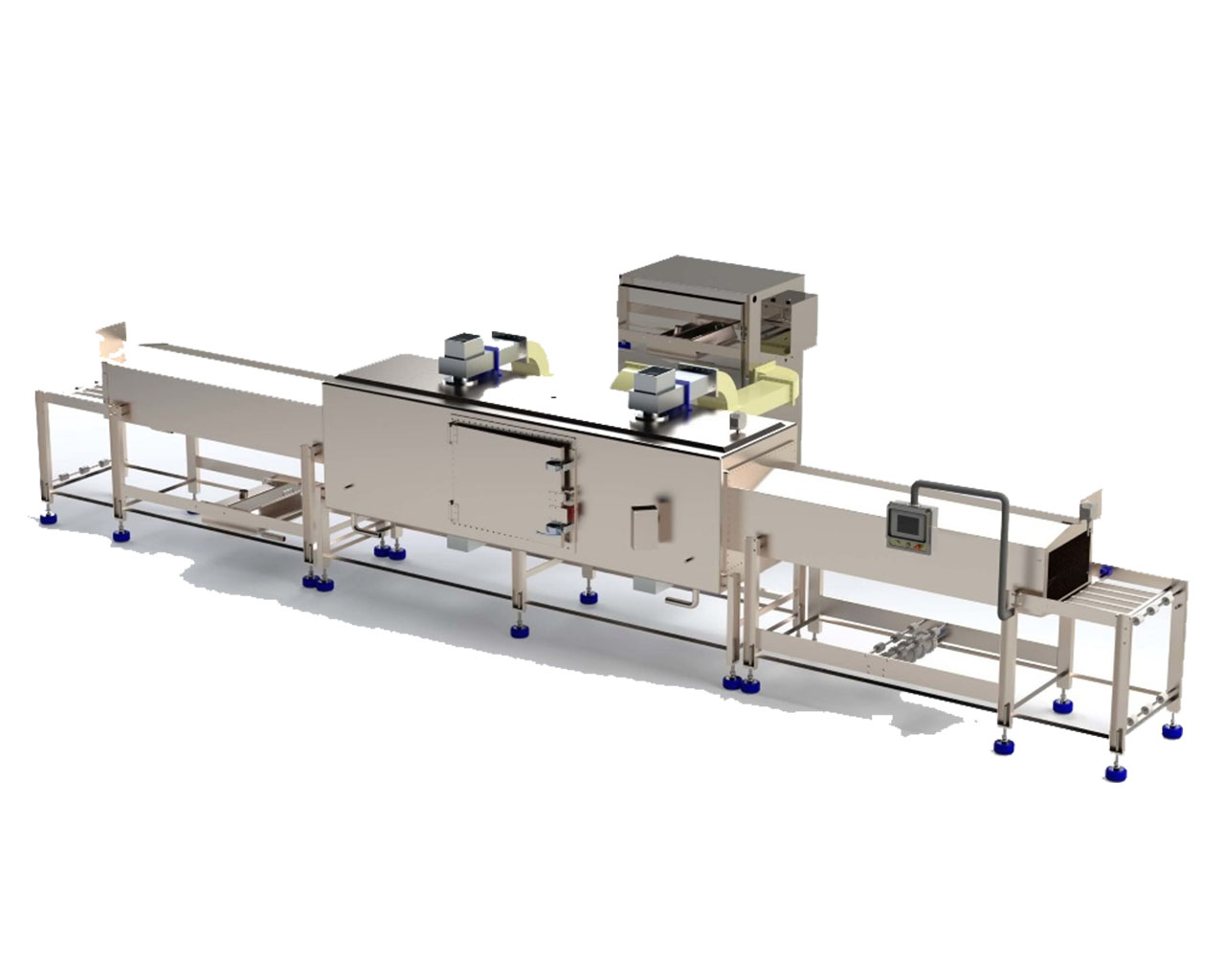
Suitable for large-scale continuous production, with power ratings starting at 20 kW. These systems support automatic integration with upstream and downstream robotic handling equipment, enabling true continuous mass production.
Cabinet-Style Industrial Microwave Equipment
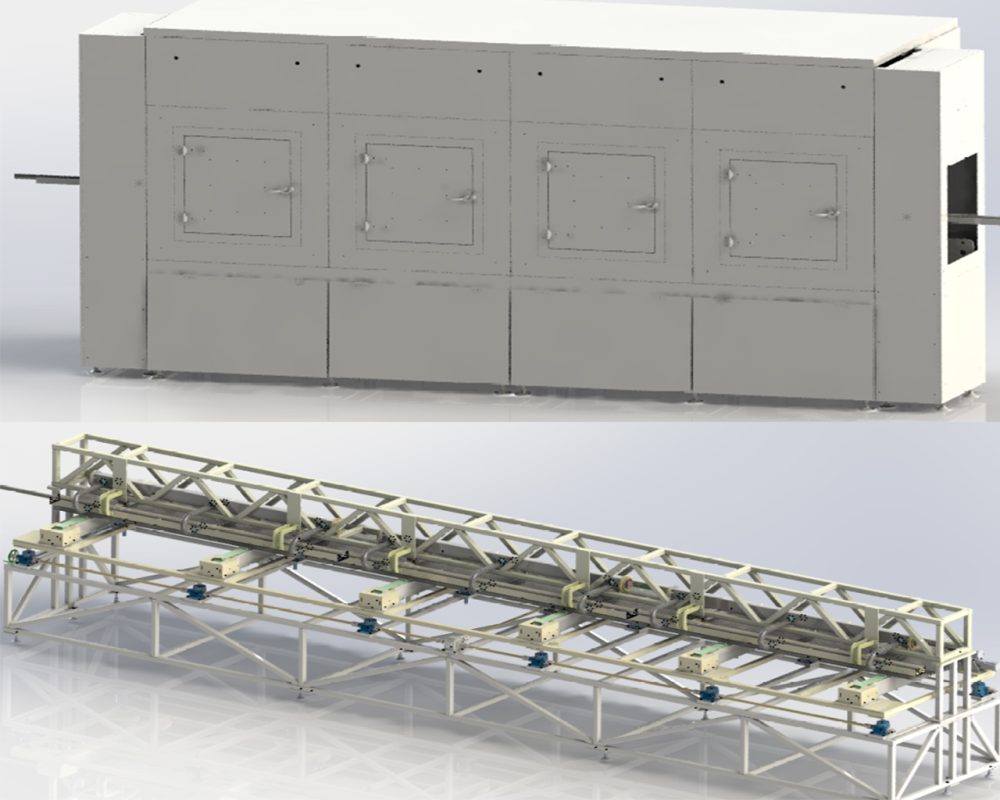
Ideal for batch production scenarios. Cabinet-style units are the best choice when handling a wide variety of products or requiring frequent process changes.
Customizable Power and Equipment Configuration
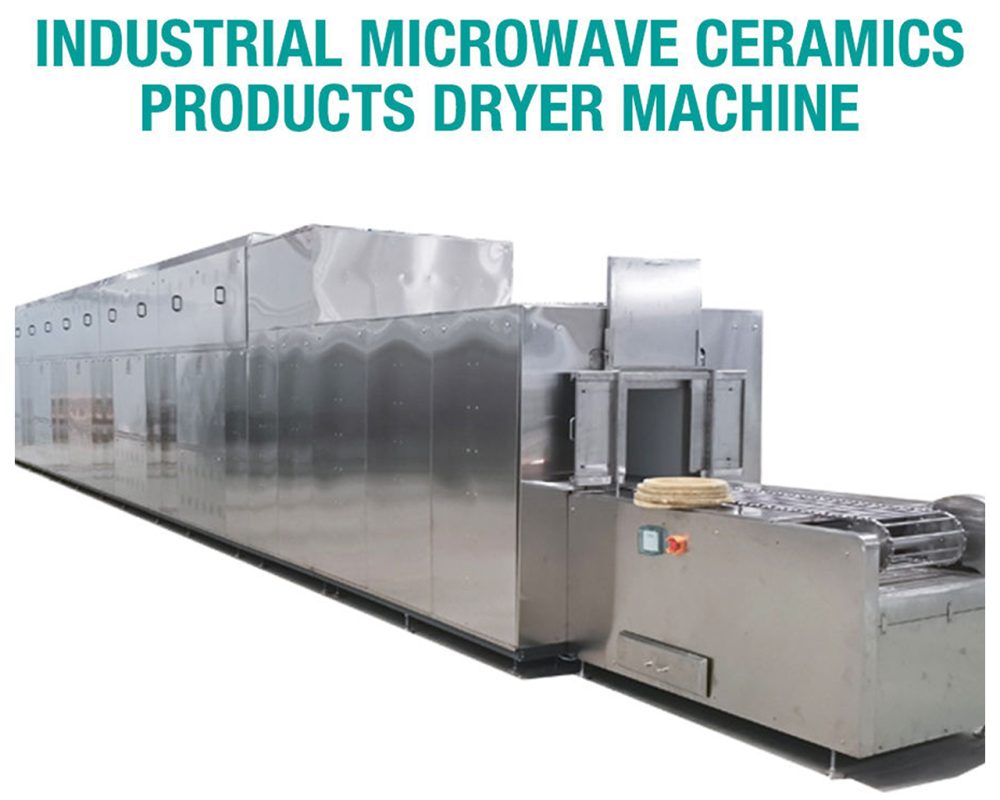
Taking the tunnel-type dryer as an example, the input/output power is customizable within the 10 kW to 500 kW range. Equipment dimensions are also customizable; please contact Pindom to confirm specific voltage and power parameters.
These specifications indicate that Pindom industrial microwave equipment is not limited to a single, fixed model but serves as a highly flexible customization platform. For manufacturers planning pilot trials or future capacity expansion, this customization capability ensures the equipment precisely matches specific process requirements. The appropriate power range, dimensions, and configuration plan must still be confirmed individually for each project.
Typical Application Areas
According to official product information, this series of industrial microwave equipment is suitable for the following fields:
- Pharmaceutical processing
- Chemical product processing
- Plastic processing
- Food processing
- Industrial ceramics (including honeycomb ceramics) and nut shell drying
The equipment features automated operation capabilities, enabling functions such as drying, sterilization, and puffing, while meeting environmental protection standards.
The application categories above serve only as general references; specific process flows, material characteristics, and operational configurations must be determined based on actual application scenarios.
How Can Common Drying Challenges Be Solved? Which Equipment Solution Is Best?
In actual production, manufacturers often face various drying bottlenecks. Pindom offers clear equipment-matching logic for these typical issues:
Is a continuous production line wasteful when handling diverse products and frequent changeovers?
Forcing the use of continuous equipment means that the time spent on cleaning and recalibrating during product changeovers significantly eats into effective production capacity. Cabinet-style industrial microwave equipment is the optimal solution here. Its flexible batch-processing mode allows for rapid adjustment of process parameters, perfectly meeting the needs of flexible production involving multiple product varieties and small batch sizes.
How risky is it to jump straight to a mass-production line when process parameters are uncertain?
Blindly scaling up production can easily lead to the scrapping of entire batches of material or result in idle equipment. The optimal approach is to first conduct small-scale trials using experimental industrial microwave equipment to determine the ideal power, time, and temperature profiles, and then scale up to continuous or cabinet-style mass-production equipment, thereby minimizing the costs associated with trial and error.
How can drying efficiency be upgraded when it fails to keep pace with ramping production capacity?
Once the process is validated and order volumes are steadily increasing, continuous industrial microwave systems (starting at a minimum of 20 kW)—integrated with automated robotic loading and unloading—can enable unmanned, continuous mass production, effectively breaking through the capacity limitations inherent in batch processing.
There is no single “best” piece of equipment; there are only solutions that best align with the current stage of the process and the specific characteristics of the material. Manufacturers should select industrial microwave equipment based on specific operational needs and challenges rather than starting with equipment specifications.
Conclusion
Tunnel-type drying test equipment for honeycomb ceramics and industrial ceramics falls under the category of customized industrial drying systems and pilot-scale process development.
Pindom’s customized industrial microwave equipment addresses a full spectrum of needs, ranging from laboratory-scale process validation (experimental equipment) prior to mass production to continuous production (continuous systems) and batch production (cabinet systems).
By clearly defining material requirements, process conditions, equipment specifications, and production goals during the development phase—and by making equipment selection and procurement decisions based on actual operational needs—manufacturers can establish a more scientific and reliable foundation for the selection and customization of industrial microwave equipment.