
- From Raw Materials to Honeycomb Ceramic Substrates
- Key Manufacturing Processes
- Common Process Defects and International Acceptance Criteria
- Microwave and Hot-Air Drying
- Automatic Cutting and Material Handling
- Three-Stage Automated Weighing
- Production Capacity and Configuration
- Applications of SCR Catalyst Carriers
- Conclusion
SCR technology relies heavily on high-quality honeycomb ceramic catalyst substrates. Producing these substrates requires a controlled manufacturing process encompassing batching, extrusion, forming, cutting, drying, and sintering. A highly integrated production line seamlessly connects these stages, enabling automated material handling and process control throughout the entire honeycomb ceramic manufacturing cycle. The pindom Extruder Automatic Tunnel Automation Equipment Production Honeycomb Ceramics Making Machine Auto Production Line delivers this capability.
From Raw Materials to Honeycomb Ceramic Substrates
The production process begins with batching titanium dioxide (TiO₂) and other additives according to a specific formula. Water is then added, and the mixture undergoes high-speed blending in an R19 intensive mixer.
After initial mixing, the material enters a specialized pre-extruder for filtration and extrusion. The extruded material is then conveyed to a TCJ310 intensive honeycomb ceramic vacuum extruder, where it is continuously formed into long ceramic green bodies. At this stage—prior to cutting, drying, and sintering—the green body already possesses the fundamental structure of the honeycomb ceramic substrate.
Key Manufacturing Processes
The complete process flow is as follows:
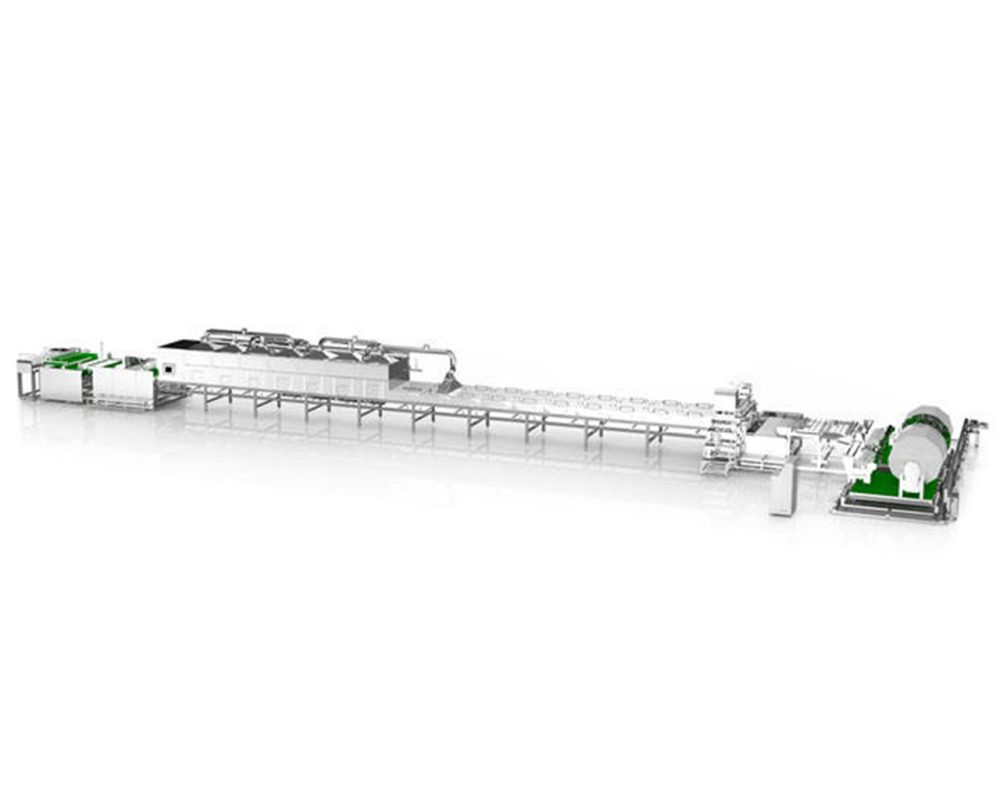
Batching → R19 Intensive Mixing → Pre-extrusion → Forming → Automatic Cutting → Robotic Handling → Mesh-belt Tunnel Kiln Sintering
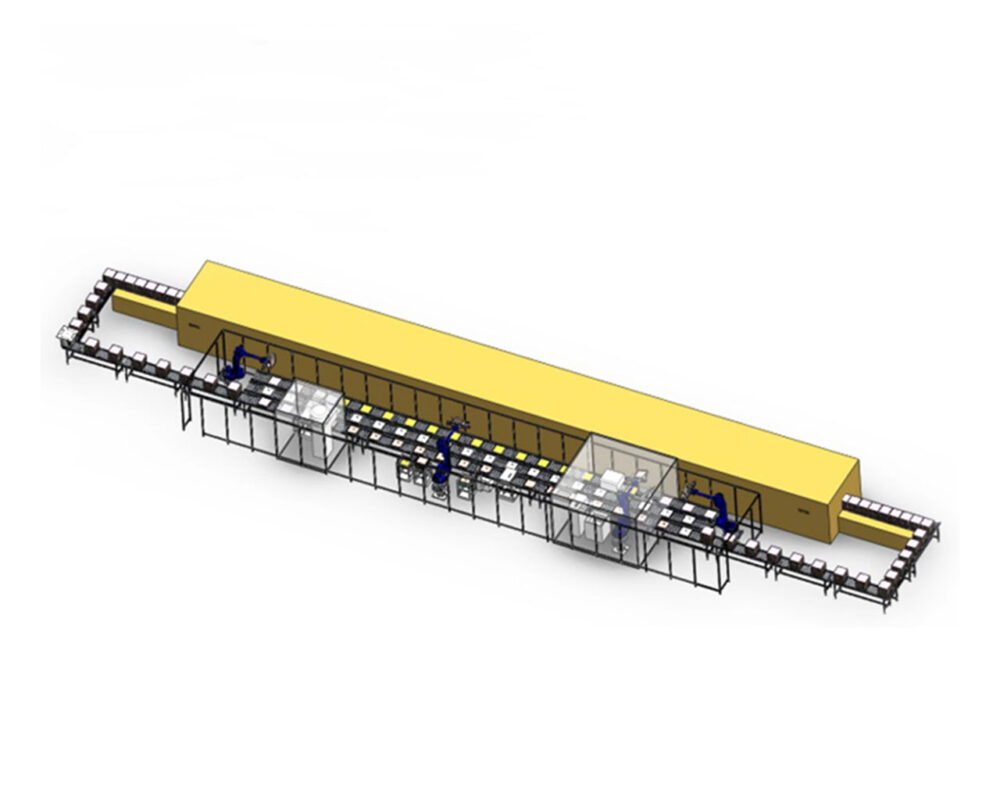
The continuously formed long green bodies are cut by an automatic cutting machine. Robotic arms transfer the cut products onto drying carts, after which they proceed to the sintering stage. This workflow links batching, extrusion, forming, cutting, handling, and sintering into an automated honeycomb ceramic production process on the pindom Extruder Automatic Tunnel Automation Equipment Production Honeycomb Ceramics Making Machine Auto Production Line.
Common Process Defects and International Acceptance Criteria
In international projects, quality acceptance for honeycomb ceramic substrates is typically based on ISO 18675-1 (geometric characteristics of monolithic catalyst substrates), ASTM C1674 (compressive strength of honeycomb ceramics), and customer-specific technical specifications. The production line applies control logic for three common defect types: drying cracks and channel deformation, dimensional variation between batches, and mixing of non-conforming (NG) products into the finished product stream.
Microwave and Hot-Air Drying
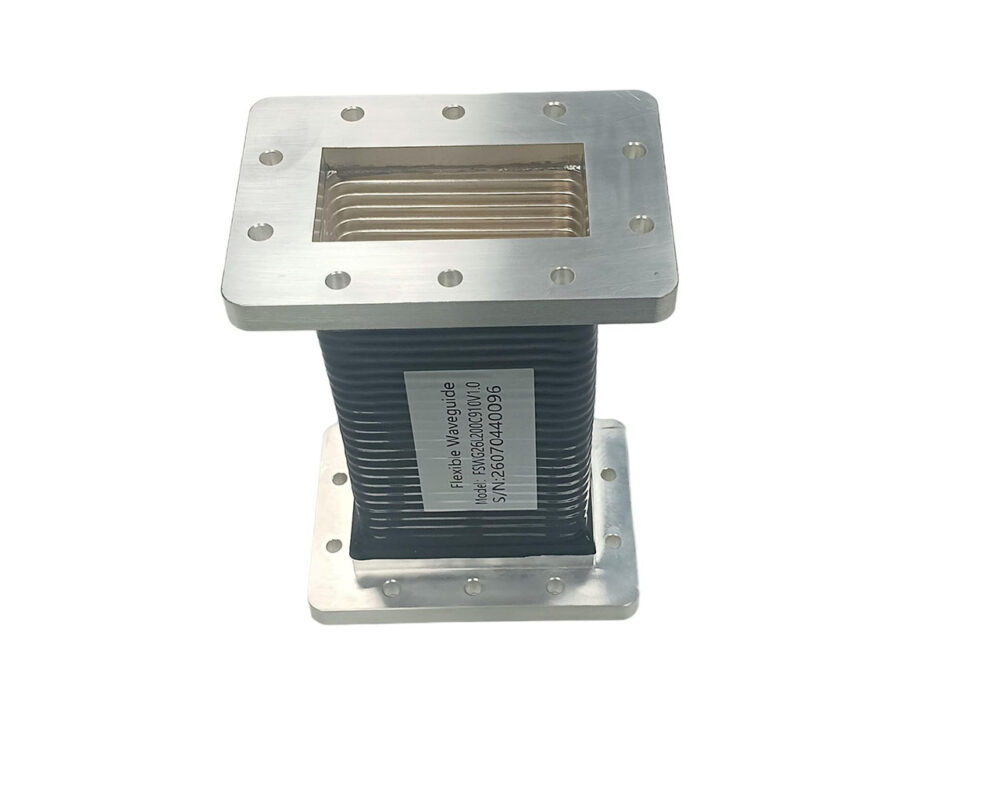
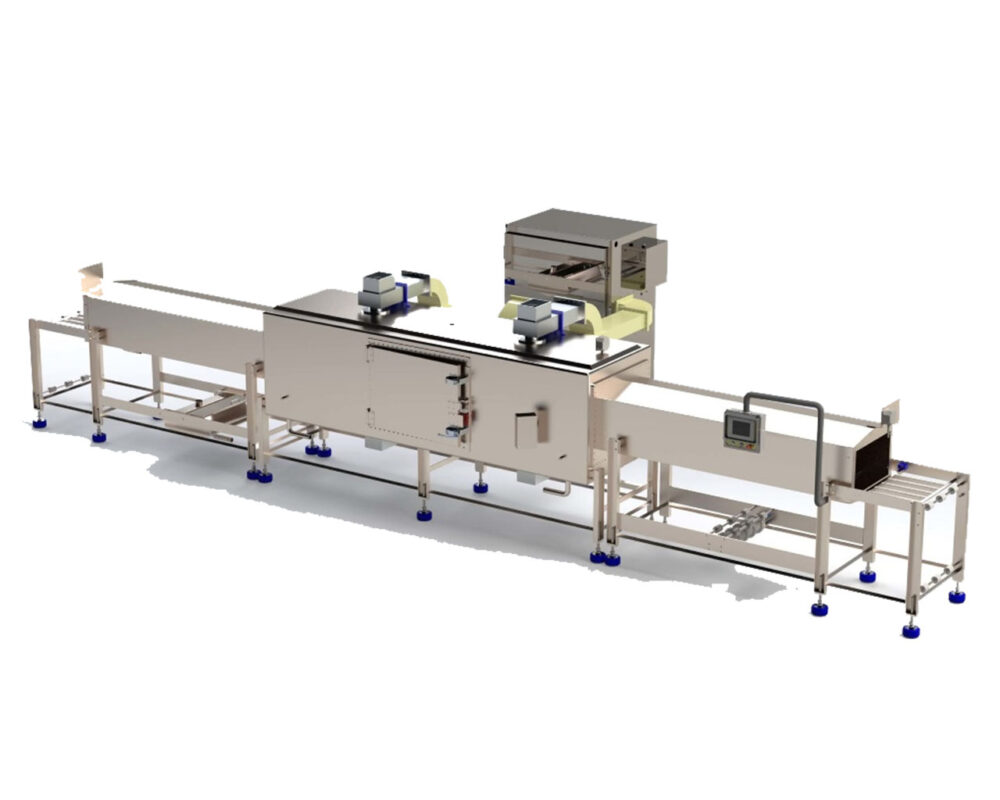
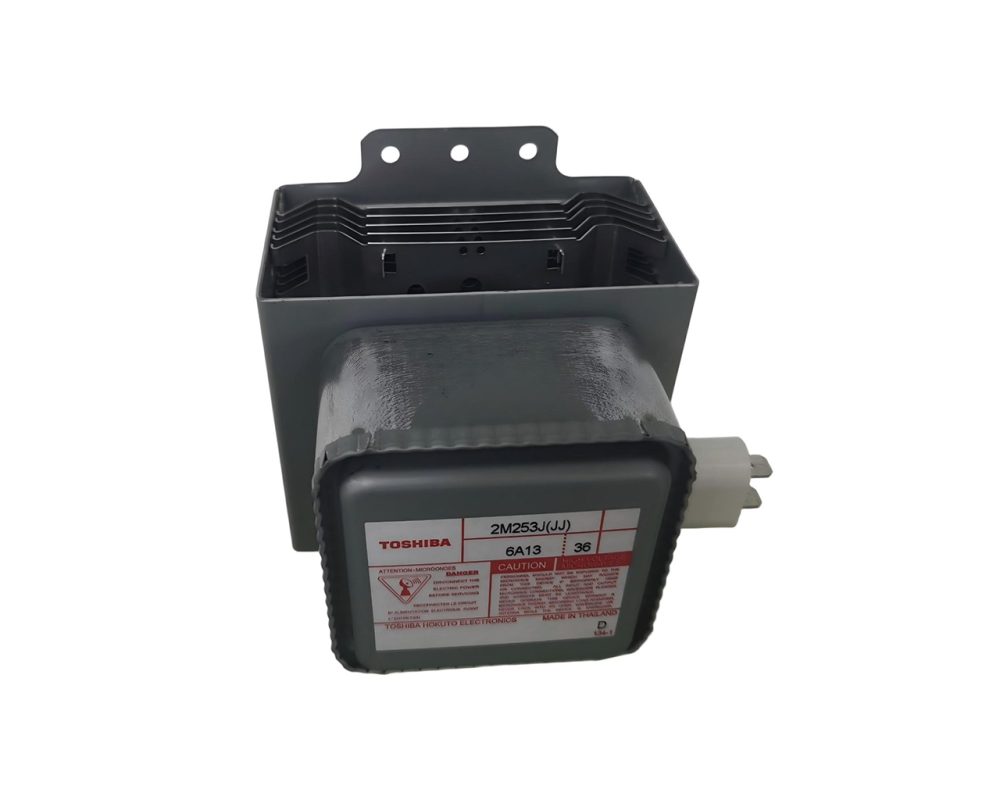
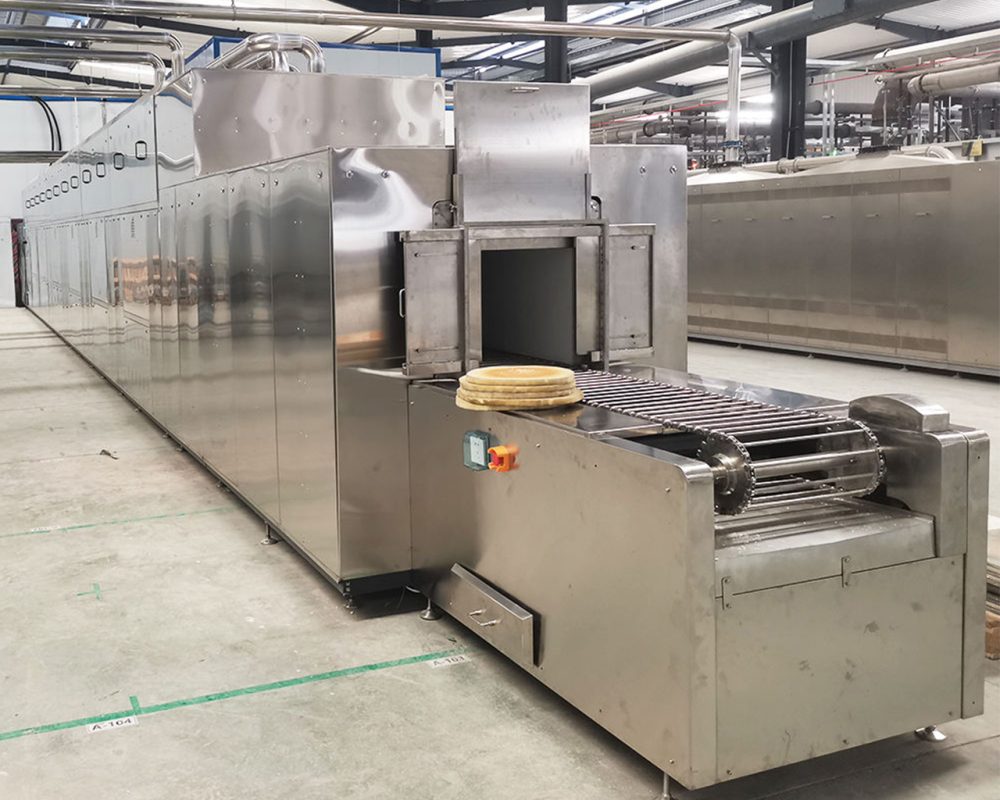
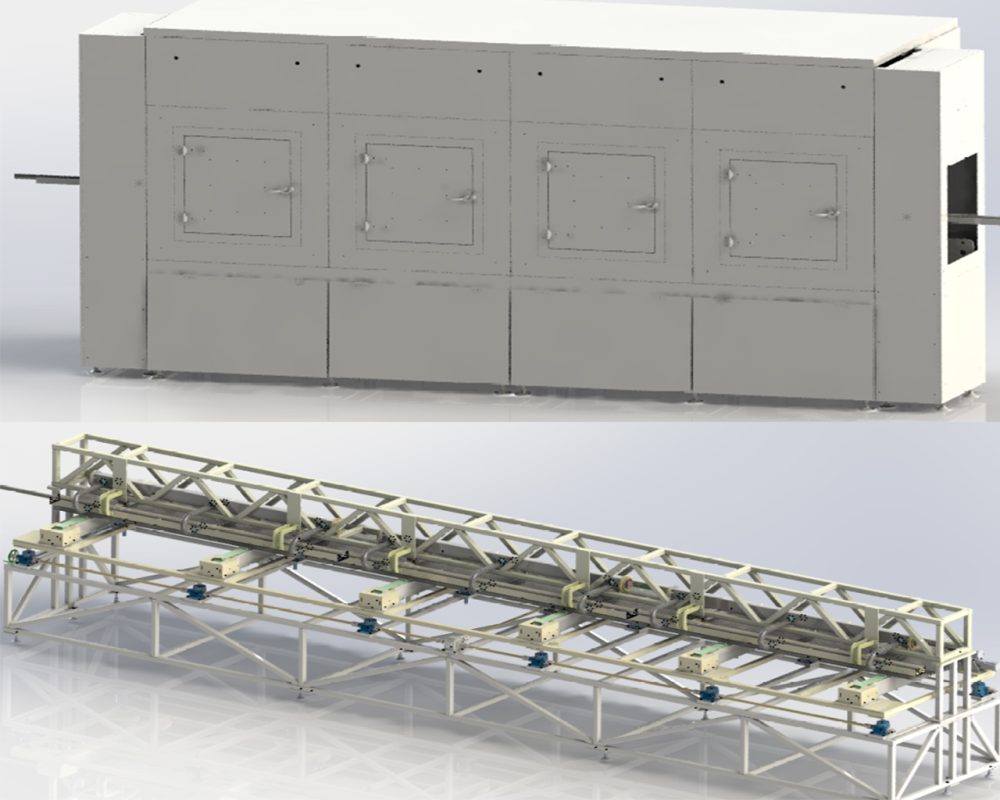
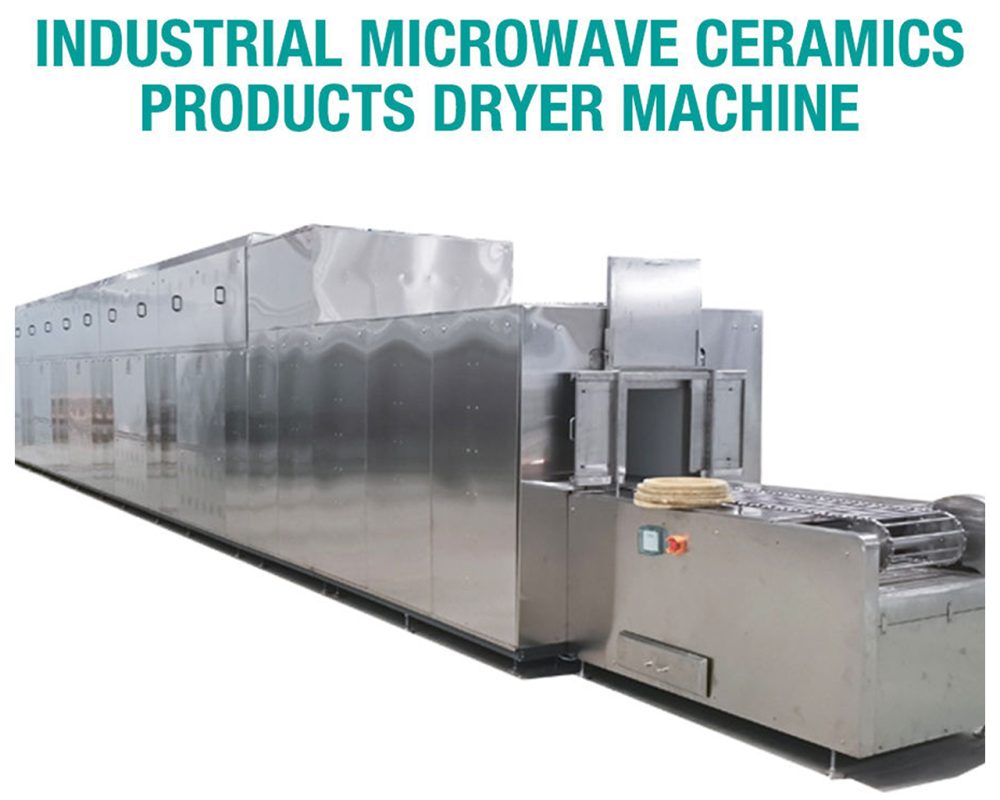
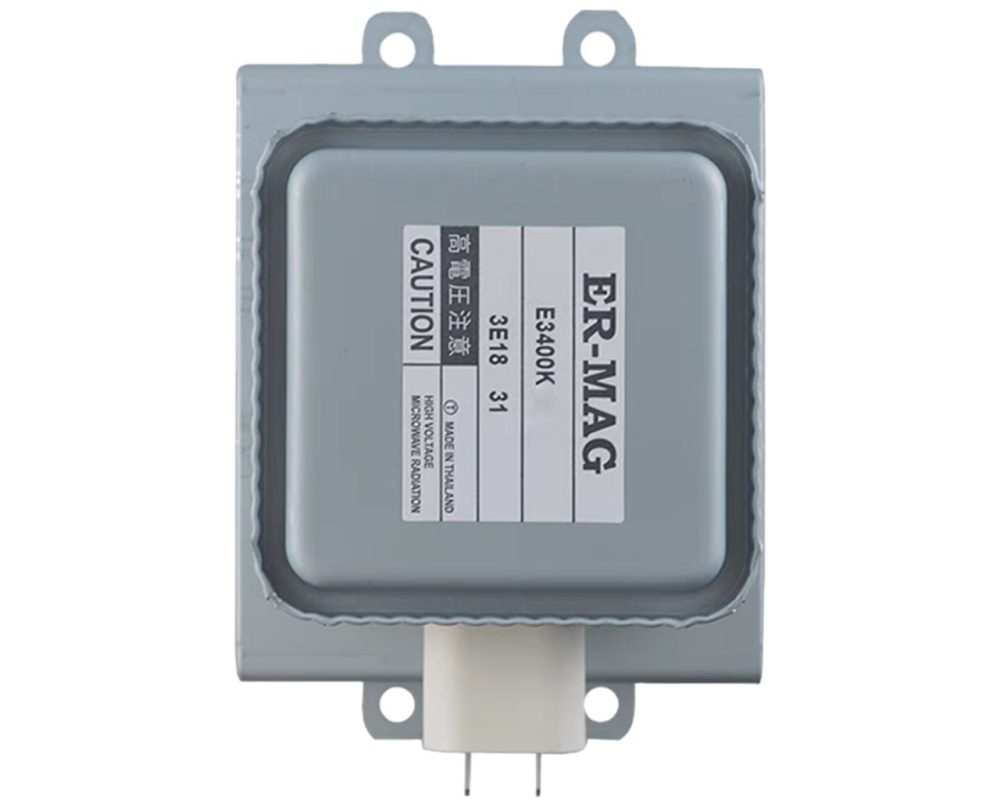
The production line is equipped with a comprehensive drying system comprising both microwave and hot-air drying sections. Material handling incorporates automatic rotation and queuing equipment, as well as Yaskawa 4-axis handling robots and a tray-flipping conveyor line. The configuration includes a fully water-cooled microwave system and a multi-stage drying process to ensure products complete each drying step according to the established protocol before entering the final sintering stage.
Automatic Cutting and Material Handling
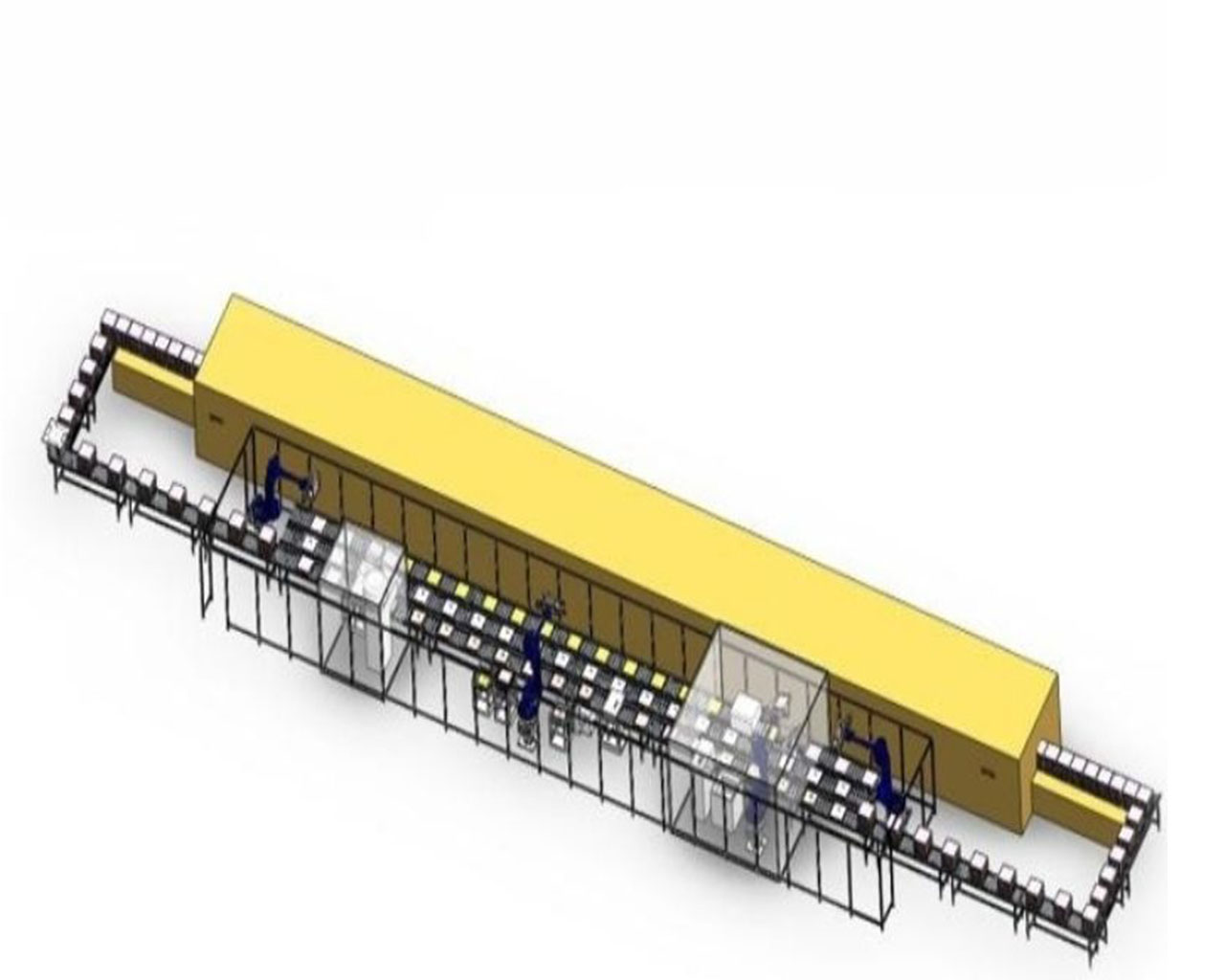
Automation technology is utilized across multiple stages of the production line. Specific components include Yaskawa six-axis robots for automatic cutting, automatic gripping equipment, and Yaskawa four-axis handling robots. Additionally, the line is equipped with automatic rotation and queuing systems to coordinate the flow of ceramic products between processing stages on the pindom Extruder Automatic Tunnel Automation Equipment Production Honeycomb Ceramics Making Machine Auto Production Line.
Three-Stage Automated Weighing
The production line integrates a three-stage automated weighing solution. Products are weighed at three points: before microwave drying, after microwave drying (but before hot-air drying), and after hot-air drying. The system utilizes three four-axis robots to transport products to electronic scales for weighing at these stages.
At the first two weighing stations, the robots pick up three products at a time for weighing; qualified products are returned to their original tray positions, while non-conforming products are transferred to an NG (Not Good) conveyor line. After the hot-air drying stage, the robots pick up nine products at a time for weighing; qualified products are transferred to the finished product line, while non-conforming products are sent to the NG conveyor line. This layout establishes weighing checkpoints at various stages of the drying process, enabling real-time separation of qualified and non-conforming products during production.
Production Capacity and Configuration
This honeycomb ceramic production line features full automation, with a designed capacity of 1,000,000 units. It has a rated power range of 10 kW–500 kW (customizable, with matching input/output specifications) and supports functions such as drying, sterilization, and expansion. The equipment is characterized by high efficiency and energy savings, falling under the category of microwave drying and sterilization equipment. System components include: a ceramic honeycomb vacuum extruder, automatic cutting equipment, robotic handling equipment, a microwave drying unit, a hot-air drying unit, and a mesh-belt kiln sintering unit. Customization options include logos, packaging, and graphics.
Applications of SCR Catalyst Carriers
The production of honeycomb ceramics is closely linked to denitrification applications. Product documentation specifies that this equipment constitutes a production line for honeycomb ceramics used in denitrification, highlighting the connection between SCR (Selective Catalytic Reduction) technology and the manufacture of catalyst carriers. Such honeycomb ceramic products are widely utilized in sectors including power generation, industrial waste gas treatment, and environmental protection. The pindom Extruder Automatic Tunnel Automation Equipment Production Honeycomb Ceramics Making Machine Auto Production Line supports these applications.
Conclusion
This honeycomb ceramic production line integrates material preparation, extrusion molding, automatic cutting, material handling, microwave and hot-air drying, weighing, and mesh-belt kiln sintering into a unified, continuous production process. Tailored for the manufacture of SCR denitrification catalyst carriers, the process provides the necessary equipment and automation capabilities to execute the entire production workflow—from raw material preparation through molding, drying, quality sorting, and sintering. The pindom Extruder Automatic Tunnel Automation Equipment Production Honeycomb Ceramics Making Machine Auto Production Line delivers these integrated results.