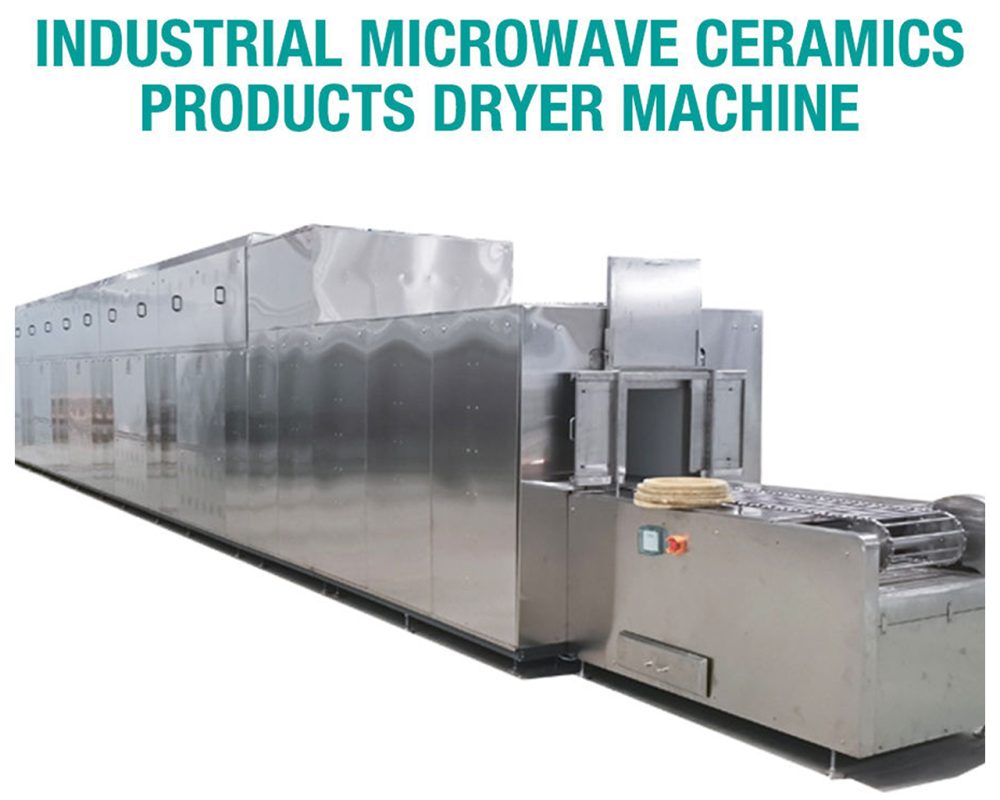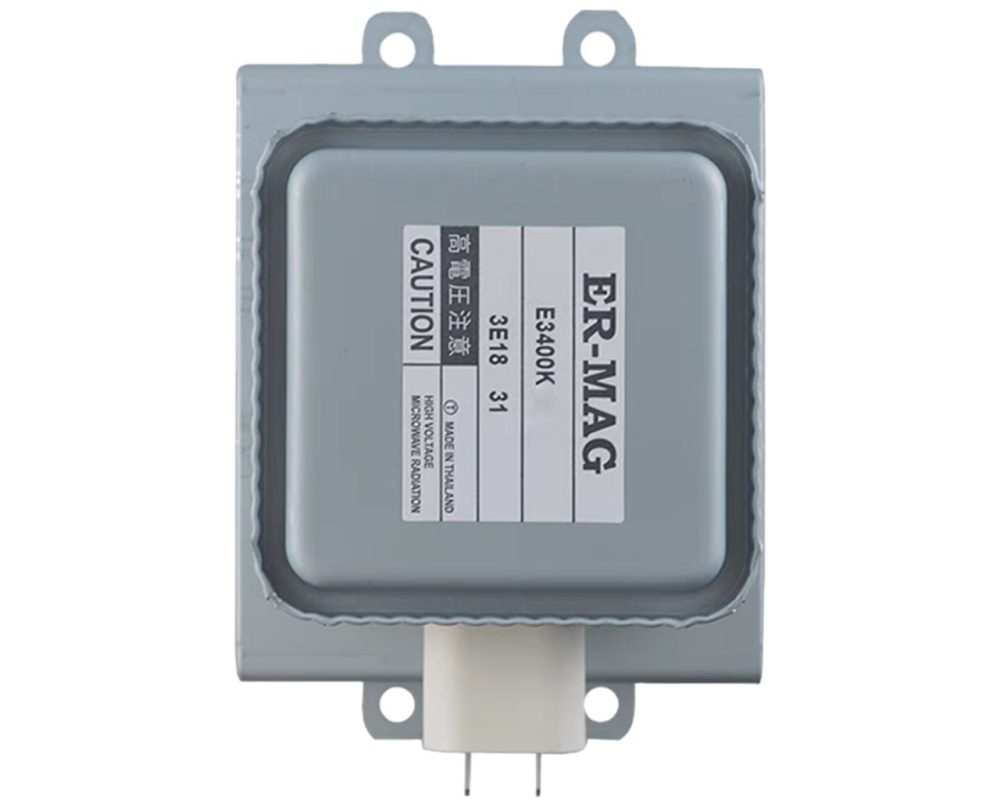


- Equipment Specifications
- Core Functions
- The Importance of Sterilization
- Flexible Customization
- Wide Range of Applications
- Conclusion
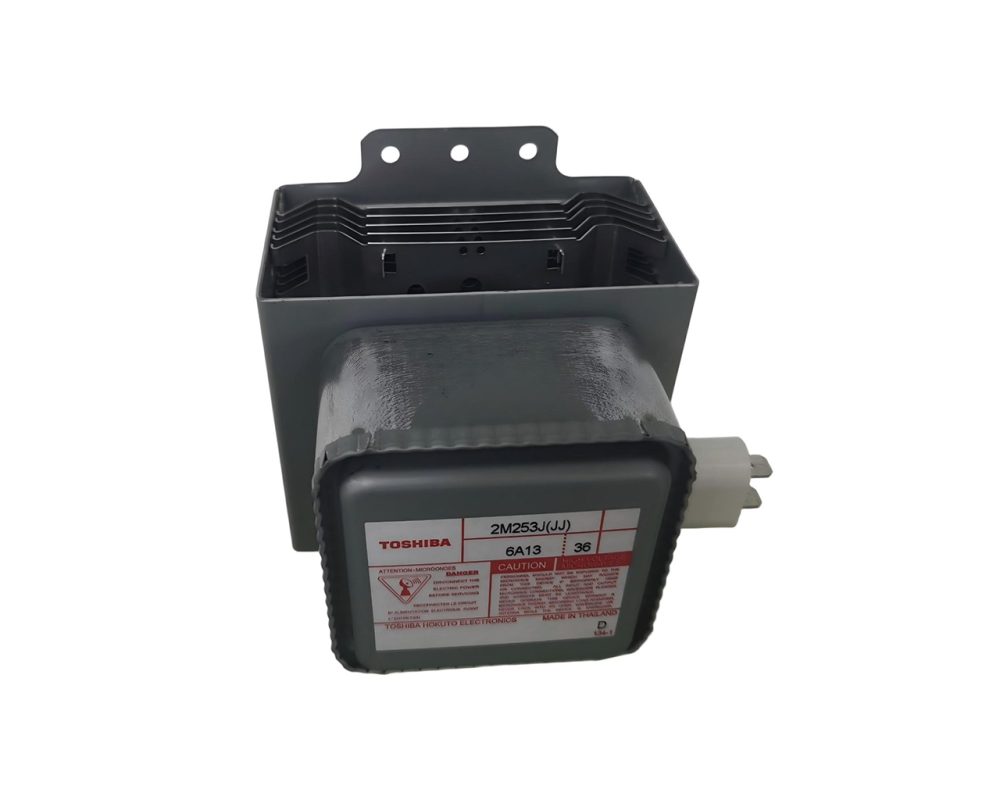
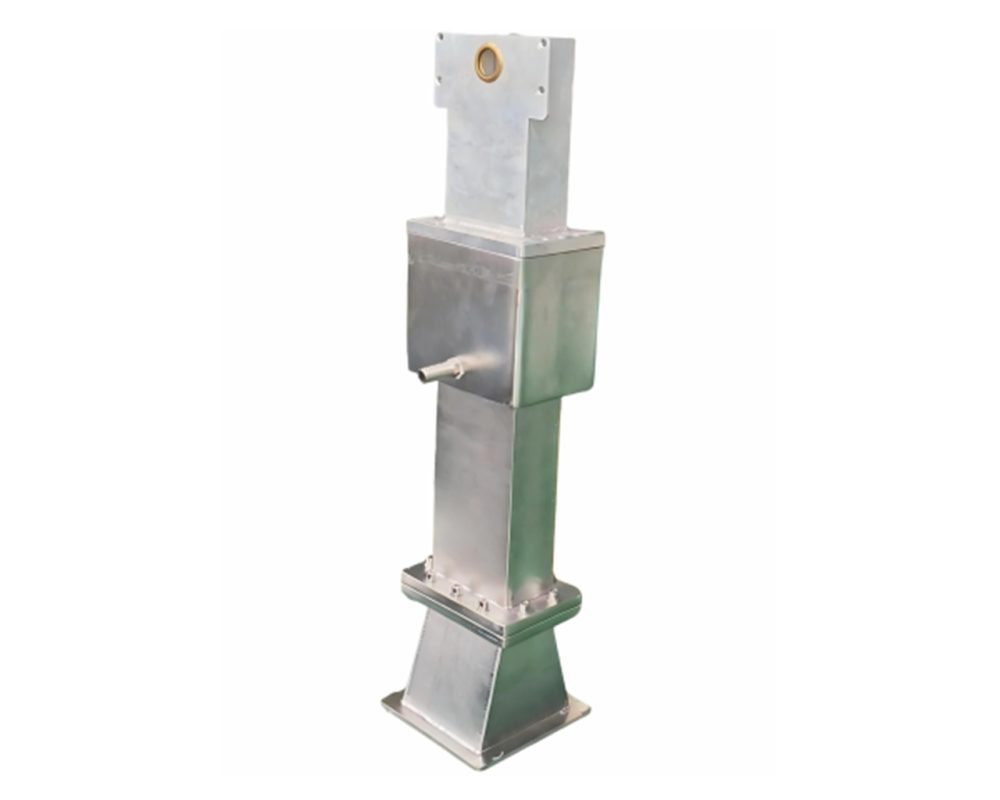
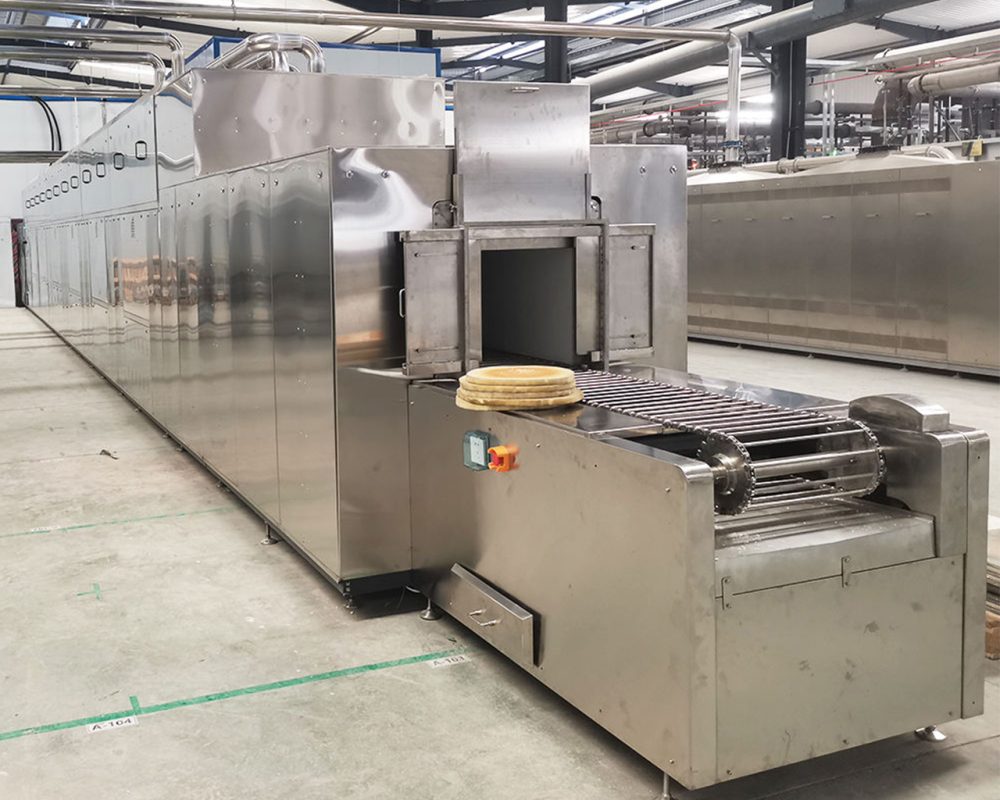
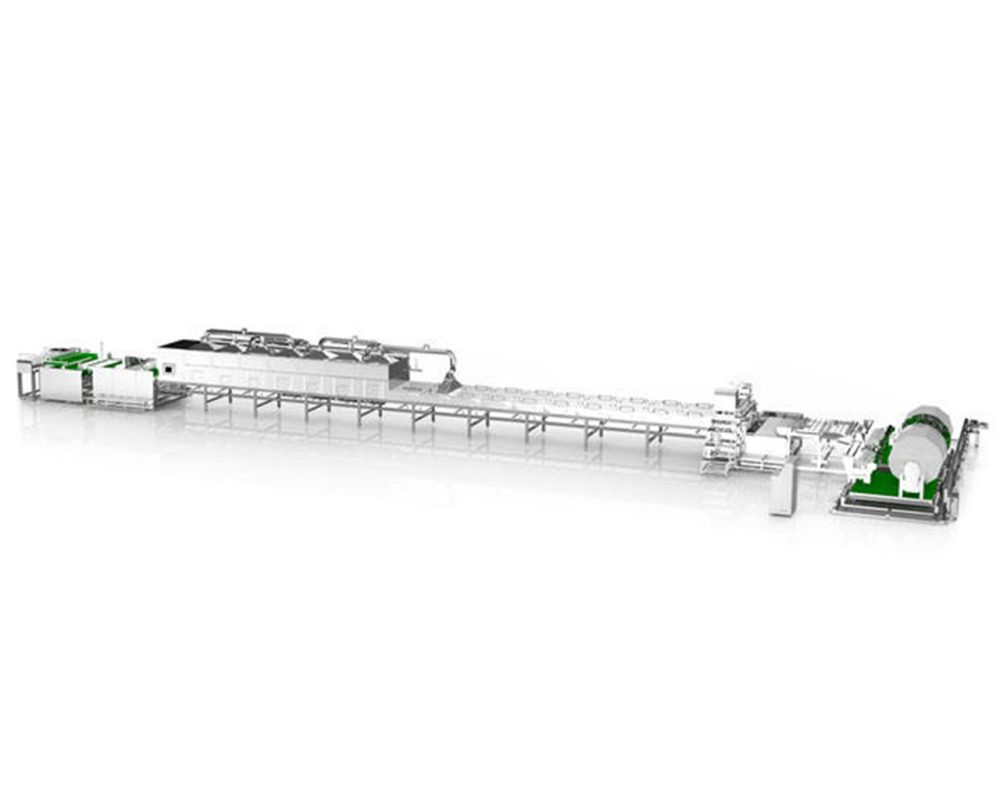
As the market demand for tofu cat litter continues to rise, manufacturers face the dual challenge of maintaining production speed while ensuring strict hygiene standards. Microwave drying and sterilization technology offers an effective solution to this problem.
For the international market, production equipment for tofu cat litter—a consumer product that comes into direct contact with pets—must meet various cross-border compliance requirements. Thanks to its non-ionizing radiation characteristics, microwave drying technology complies with FDA 21 CFR 177.2600 standards for food-contact material processing. Furthermore, the equipment’s electrical design is compatible with major international safety certification systems such as CE (EU) and UL (North America), providing a solid foundation for Pindom clients to access global markets.
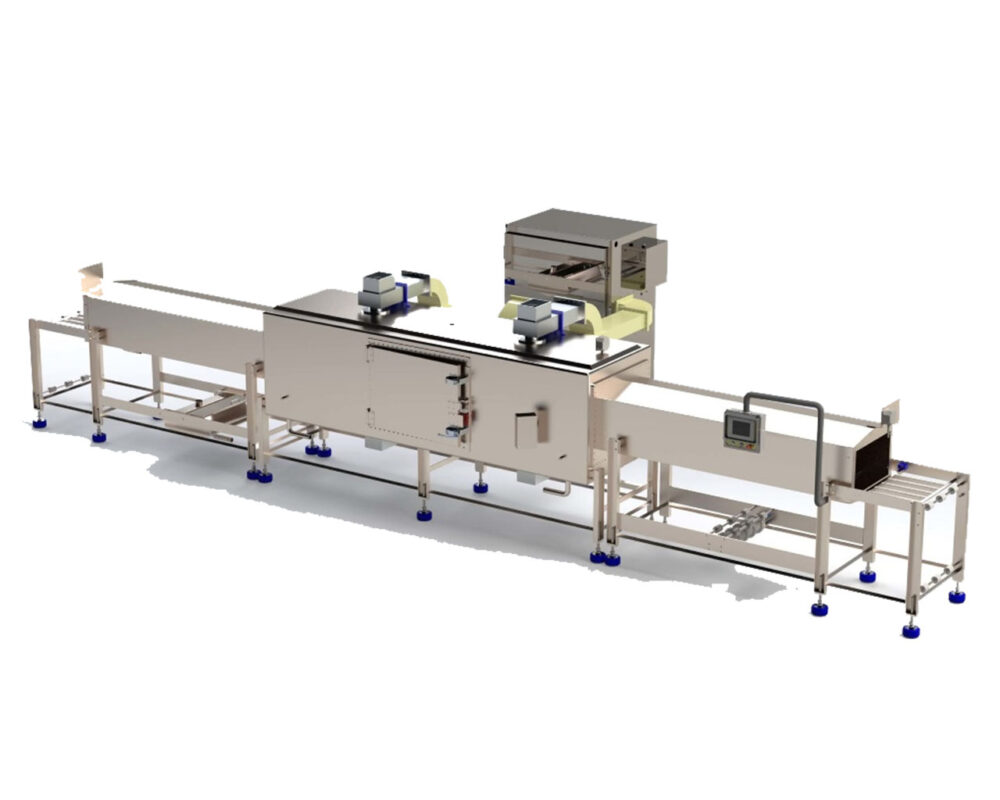
Equipment Specifications
- Power: 10 kW–200 kW
- Voltage: 110 V–440 V
- Material: 304 Stainless Steel
- Type: Vacuum Drying Equipment
The 304 stainless steel corresponds to the internationally recognized AISI 304 / EN 1.4301 grades. Its corrosion resistance and surface finish meet the ISO 22000 food safety management system requirements for processing equipment. It can readily pass third-party material traceability testing, thereby preventing export customs delays caused by material compliance issues.
Core Functions
- Drying
- Sterilization
- Expansion (Puffing)
The Importance of Sterilization
Pet products are subject to strict hygiene standards. Microwave technology enables simultaneous heating and sterilization, effectively eliminating the need for a separate sterilization step and boosting production efficiency.
In terms of process performance, microwave drying offers 30%–50% higher thermal conversion efficiency than traditional hot-air drying. It achieves rapid dehydration and simultaneous sterilization of tofu cat litter within a low-temperature range of 60–85°C. This prevents protein denaturation and clumping caused by high heat while keeping the total bacterial count below the international hygiene limit of <100 CFU/g for pet products, thus balancing product quality with production throughput.
Flexible Customization
Recognizing the vast differences in production output among manufacturers, Pindom supports:
- OEM (Original Equipment Manufacturing)
- ODM (Original Design Manufacturing)
- Customized dimensions
- Customized power configurations
To address variations in energy costs and capacity requirements across different markets, Pindom’s customizable power configurations help clients achieve energy-efficient production. For instance, in regions with high electricity prices—such as Europe—clients can select high-power models equipped with waste heat recovery systems, reducing energy consumption per unit by 40% compared to traditional equipment. Conversely, in emerging markets like Southeast Asia, entry-level power models offer a lower initial investment while meeting small-to-medium production needs, aligning with sustainable manufacturing trends.
Wide Range of Applications
This equipment is suitable not only for cat litter production but also for a variety of other fields:
- Chemical processing
- Industrial materials
- Other customized applications
Beyond pet supplies, the technology is applicable to processes such as the low-temperature cooking of plant-based pet food and the aseptic drying of pet nutritional supplements. Its low-temperature sterilization capability preserves heat-sensitive nutrients, aligning with the “clean label” trend in overseas pet product markets and providing the necessary equipment support for clients to expand their product lines.
Conclusion
For pet product manufacturers prioritizing production stability and hygienic processing, microwave drying technology offers a practical and effective solution. Pindom provides customized equipment tailored to the specific production requirements of different facilities.