

- Build-to-Print Manufacturing and Precision Machining for Physical Compatibility
- Thermal Stability and Compliance with International Standards via Integrated Water Cooling
- Standardized Interfaces and Efficient Cross-Border System Integration
- Conclusion
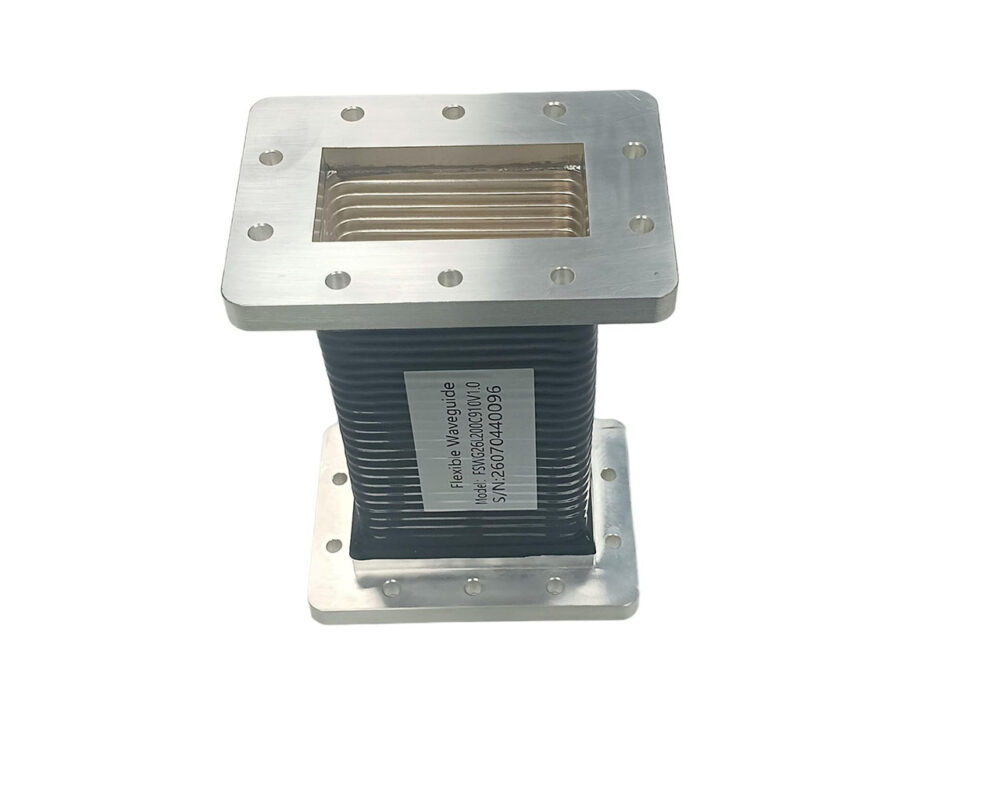
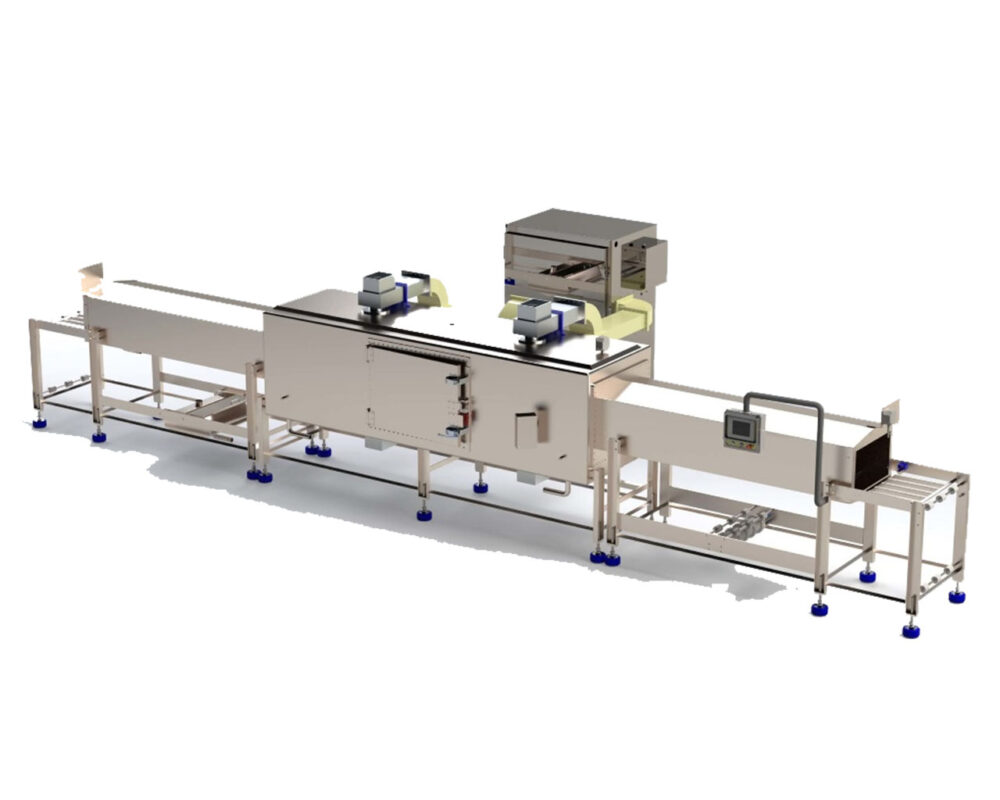
Industrial microwave equipment is rarely assembled solely from standard components. As production lines become increasingly specialized, the design of microwave transmission paths must adapt to the equipment’s overall structure rather than forcing the equipment to accommodate standard parts. While standard WR340 and WR430 waveguides are widely available, many industrial systems impose specific requirements on connection points, mounting orientations, or internal transmission channels. Relying on standard components often necessitates additional modifications during assembly, extending installation timelines and increasing costs. Pindom’s Customized Long Microwave Waveguide Aluminium Ware with Water Cooling was developed specifically to address these needs.
Build-to-Print Manufacturing and Precision Machining for Physical Compatibility
- Customer Drawing-Based Production:Pindom manufactures each waveguide individually from customer engineering drawings instead of offering fixed-specification catalog items.
- Precision Aluminum Casting & Machining:Aluminum castings are precision-machined to create exact transmission channels that achieve perfect mechanical and electrical compatibility with the customer’s existing microwave equipment and plant layout.
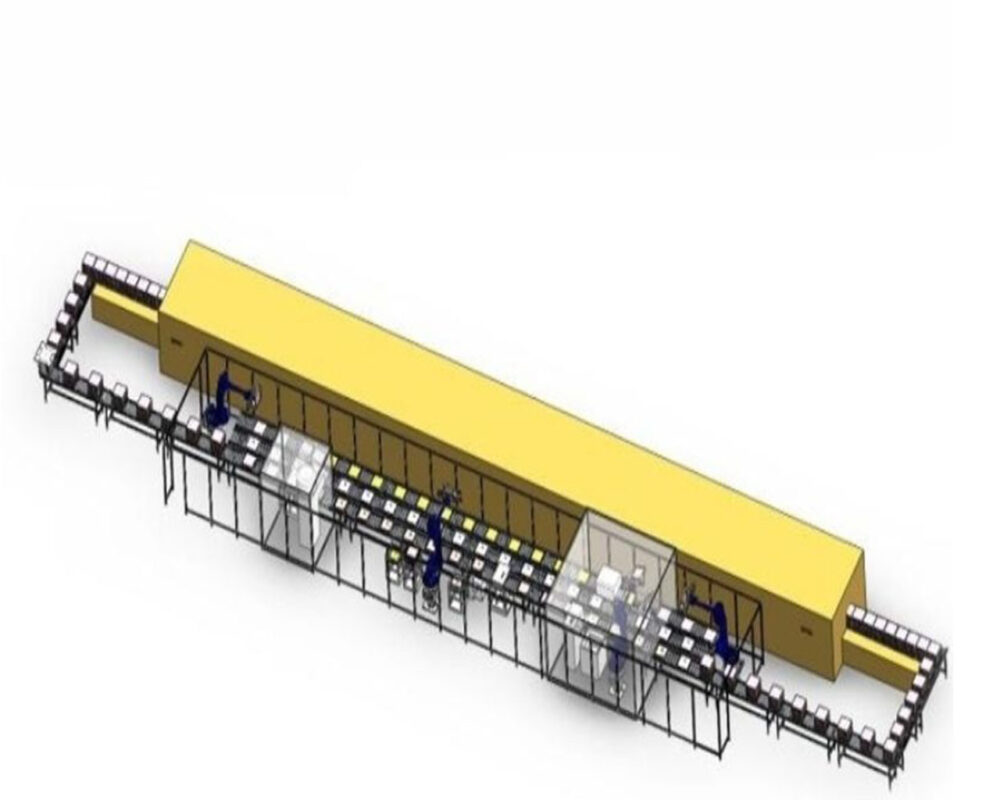
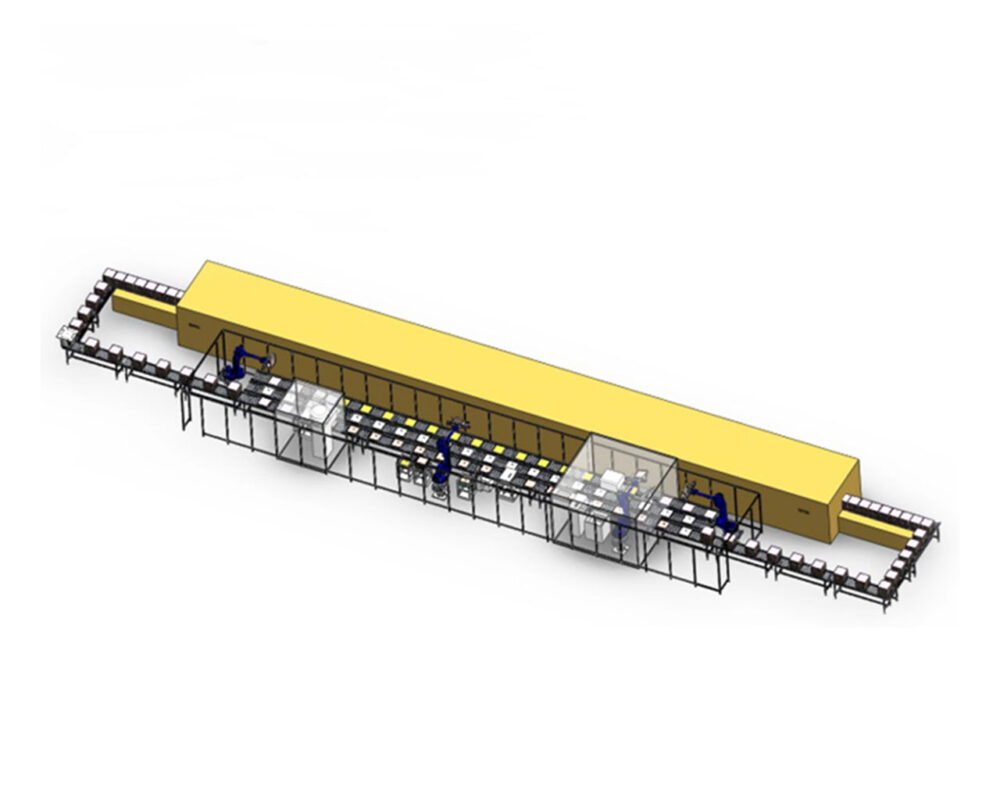
- Lithium-Ion Battery Cathode Drying Lines:Microwave cavities often span several meters and must be embedded in cleanroom ceiling plenums. Standard straight waveguides cannot navigate the multiple turns and obstructions. Custom single-unit waveguides with integrated bends and cooling channels—designed from 3D site data—satisfy sealing and cleanliness requirements while eliminating dielectric loss risks associated with on-site welding.
- Specialty Ceramic Sintering Furnaces:Spacing and phase relationships between multi-source feed ports are critical. Custom waveguides enable precise electrical-length matching at every port, preventing energy-distribution imbalances caused by tolerance accumulation in standard parts and thereby protecting thermal stability and process consistency across the entire system.
Thermal Stability and Compliance with International Standards via Integrated Water Cooling
- Core Thermal-Management Feature:During continuous high-power industrial operation, heat accumulates along the transmission path. The built-in water-cooling system maintains stable operating temperatures and meets the demands of long-term service.
- Conformal Cooling-Channel Design:Cooling channels are cast directly into the waveguide structure rather than mounted externally. This produces more uniform temperature gradients across the cross-section, physically minimizing VSWR drift caused by thermal expansion and contraction.
- Sustained Standards Compliance:The result is a product that continues to meet international microwave transmission performance specifications even during prolonged high-power operation—critical for overseas technical acceptance.
Standardized Interfaces and Efficient Cross-Border System Integration
- WR340 & WR430 Configurations:Constructed from durable aluminum with a screw-mount design specifically for industrial microwave applications.
- Accelerated Overseas Commissioning:A custom waveguide that already complies with international standards requires no secondary modification, significantly shortening the post-integration commissioning cycle—an important factor for international system integrators.
- Professional Global Packaging:Pindom provides eco-friendly, efficient packaging services that ensure product safety and on-time delivery during international transit.
Conclusion
A well-designed custom waveguide ensures efficient transmission of microwave energy to the processing chamber and delivers greater practical value than forcing modifications onto standard components. Pindom manufactures strictly according to technical drawings and supplies precision-fit solutions that fundamentally eliminate the need to alter equipment simply to accommodate standard parts. For engineering teams facing complex routing, thermal-stability, or cross-border compliance challenges, these build-to-print water-cooled waveguides offer a direct path to faster installation, higher process consistency, and reduced project risk.