

- Production Capacity Specifications
- Core Production Processes
- Robotic Integration Solutions
- Extended Value of Automation for International Markets
- Focus on Typical Application Scenarios and User Value
- Core Value Proposition
- Conclusion
As global environmental regulations tighten and demand for SCR catalyst substrates grows, many manufacturers are accelerating their transition toward automation. However, the industry faces common challenges during capacity expansion—such as consistency fluctuations caused by manual intervention and the difficulty of balancing efficiency with stability in traditional drying processes—making high-level automation the essential path for supporting large-scale production.
Production Capacity Specifications
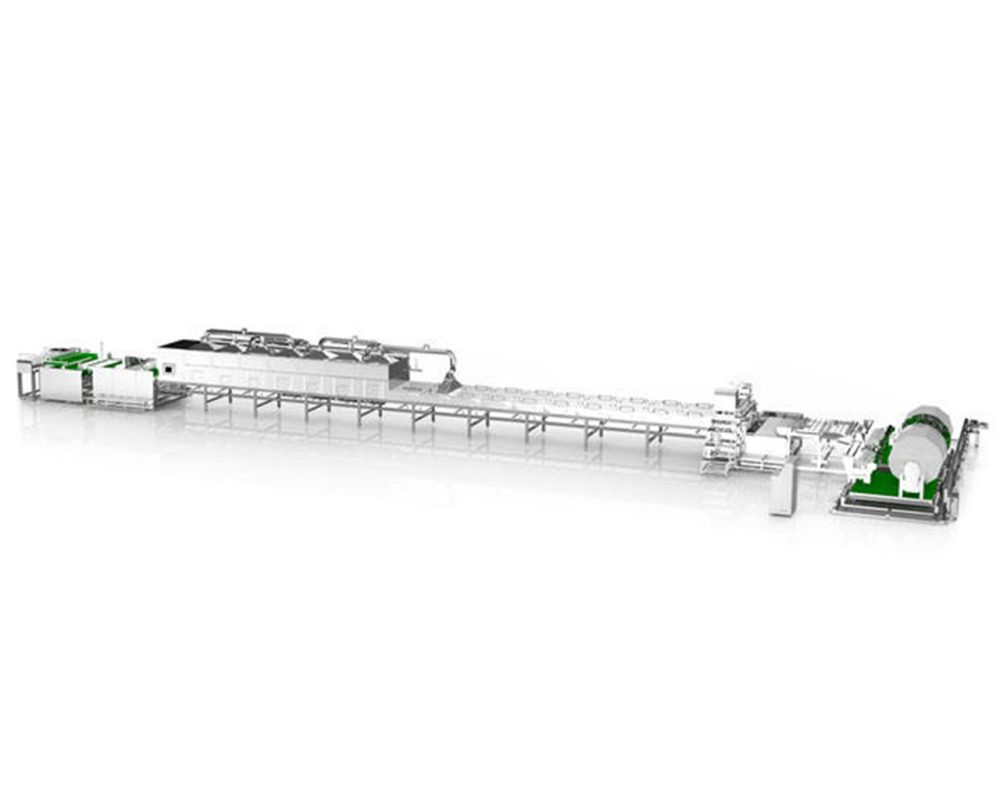
- Equipment Capacity: 1,000,000 units
- Automation Level: Fully automated
Core Production Processes
- Forming
- Automatic cutting
- Robotic loading
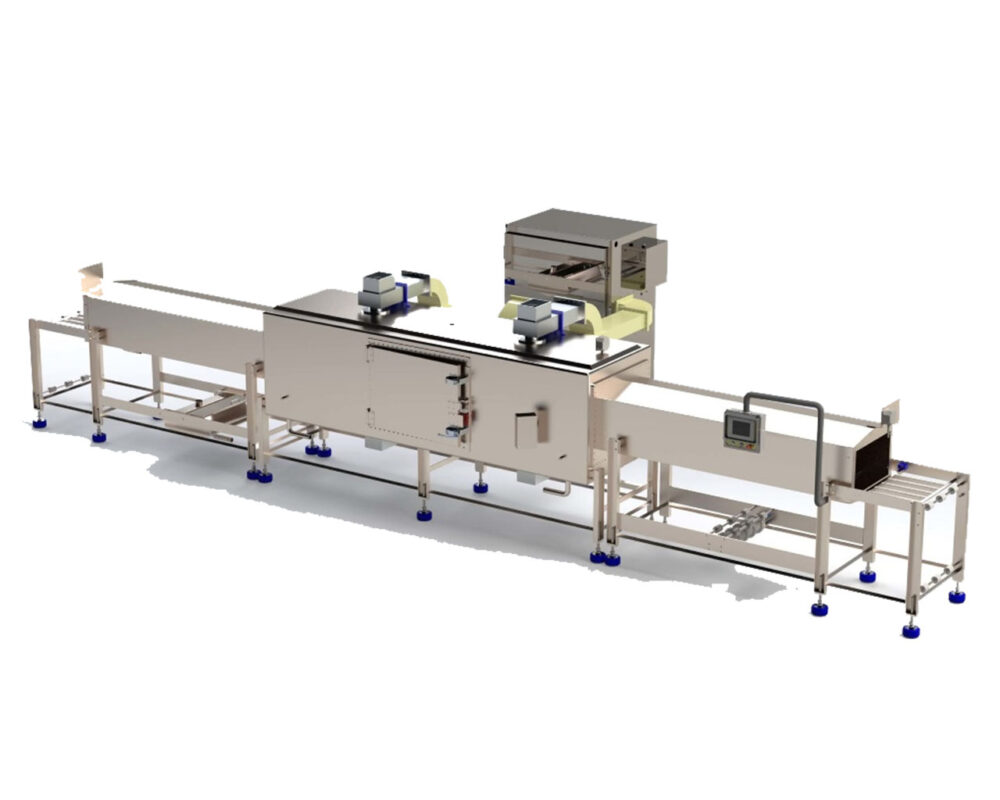
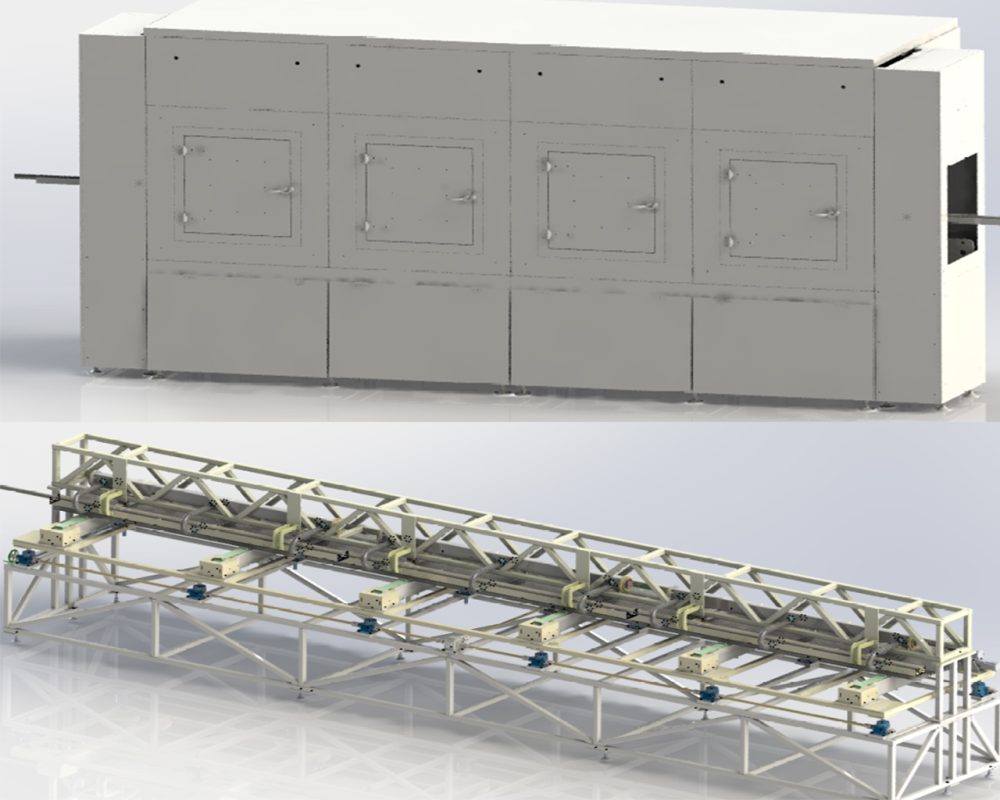
- Hot-air drying
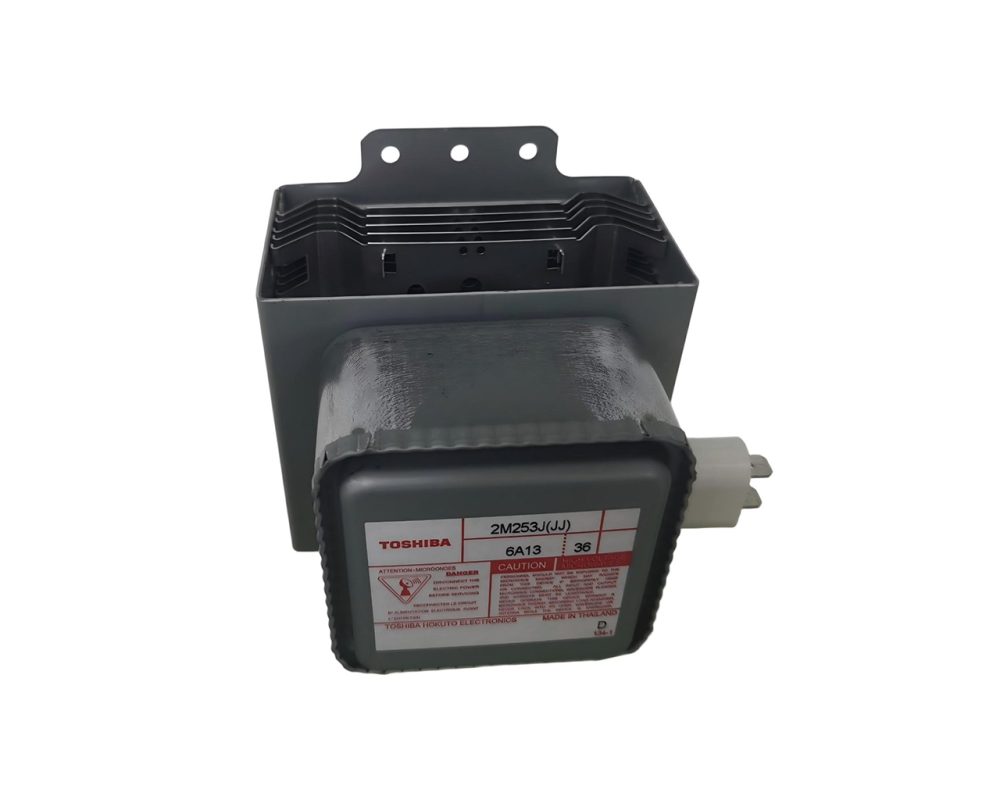
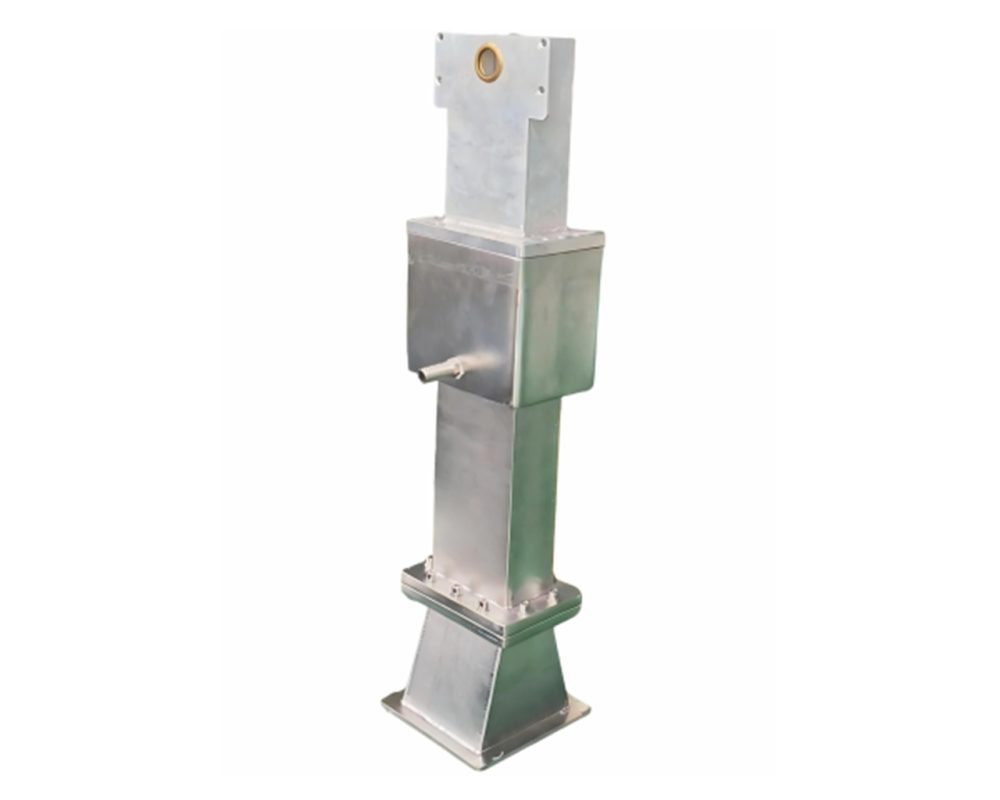
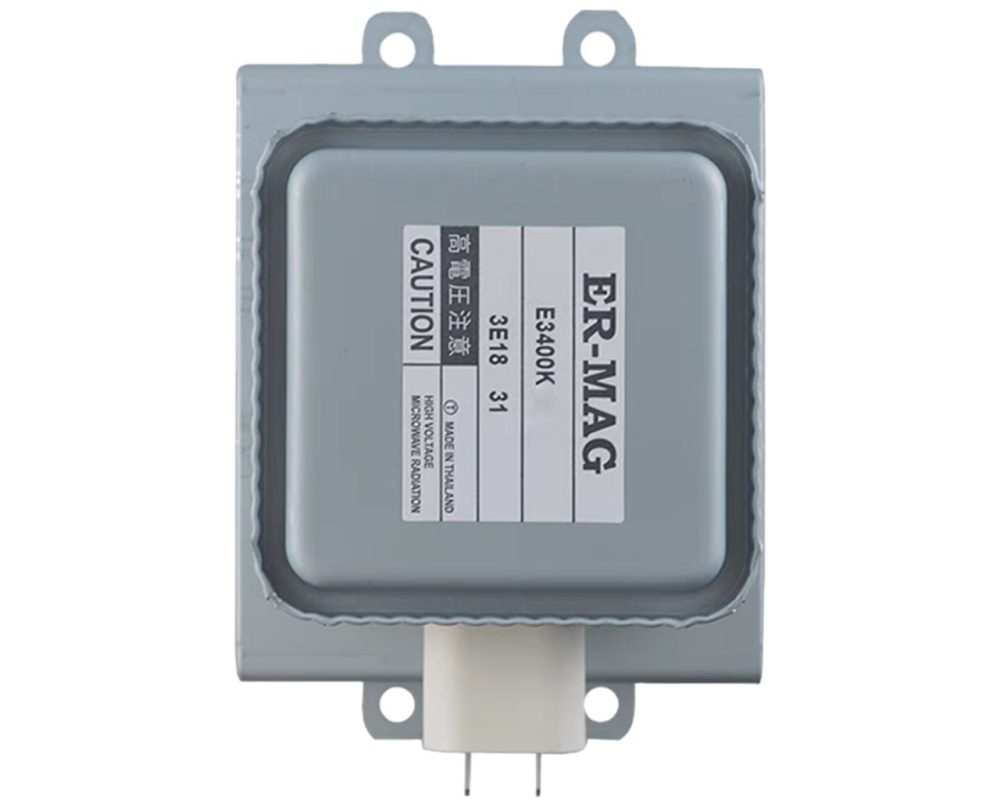
- Microwave drying
- Sintering
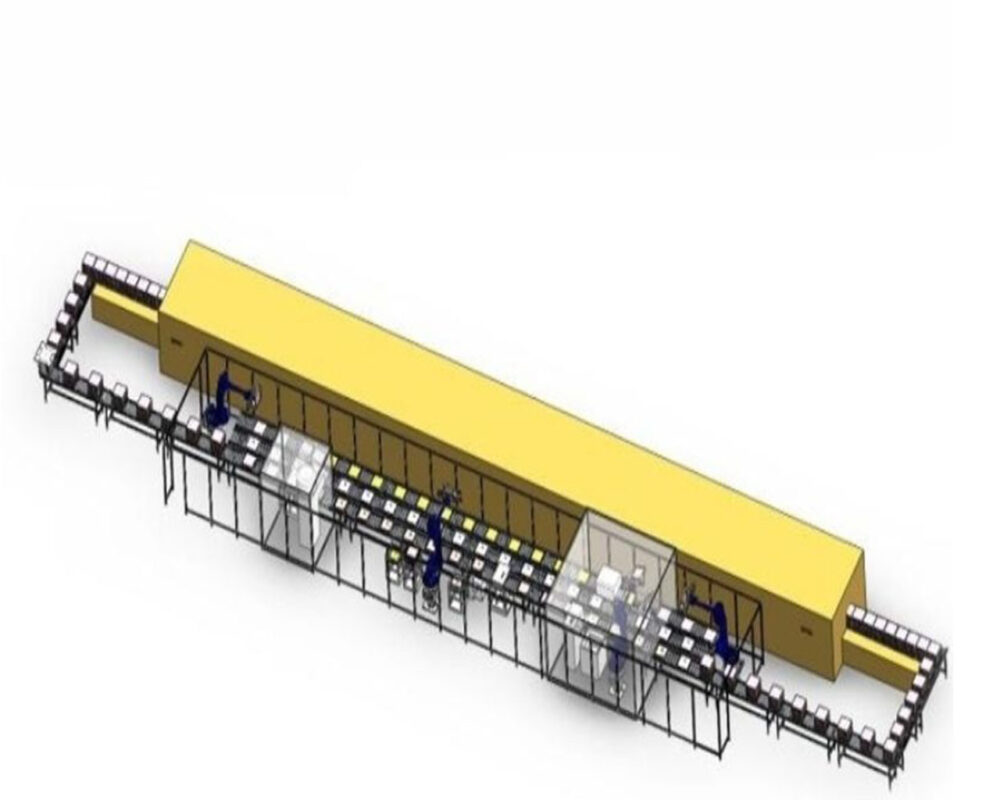
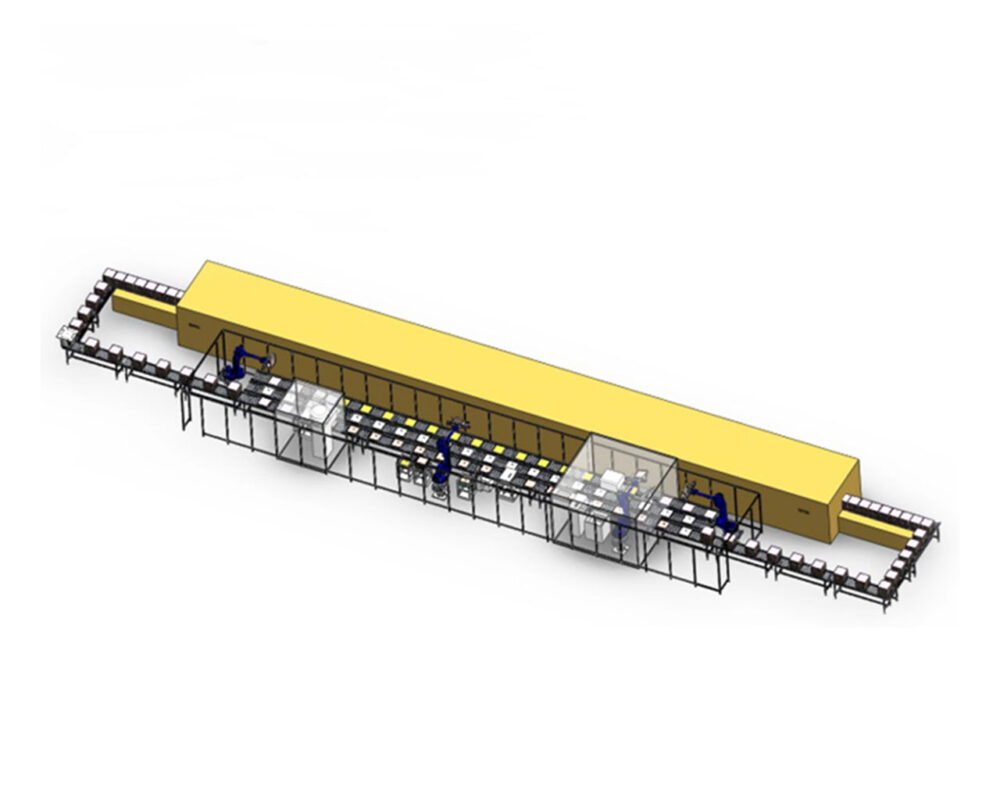
Robotic Integration Solutions
- Yaskawa robotic arms
- Automatic gripping equipment
- Queue management system
The application of automation technology effectively reduces manual intervention and significantly enhances production consistency.
Extended Value of Automation for International Markets
- Batch Consistency Assurance: Fully automated, closed-loop production ensures high stability in critical dimensions and cell density distribution, meeting automotive quality management standards for controlling “special characteristics.”
- End-to-End Traceability: Yaskawa robotic arms and queue systems operate in tandem to support automatic data collection and batch traceability, complying with international norms for industrial process validation.
- Process Stability Control: A combined hot-air and microwave drying process ensures uniform dehydration of the green body, eliminating variability risks associated with manual handling.
- Global Delivery Compatibility: An automation-based production architecture allows manufacturers to maintain delivery consistency across different markets without frequent process adjustments.
Focus on Typical Application Scenarios and User Value
- SCR Substrate Mass Production: The fully automated line connects to customer management systems via standard industrial interfaces, enabling end-to-end data mapping and meeting Tier 1 supplier process audit requirements.
- Multi-Product Switching: Yaskawa robotic arms and queue systems maintain stable operational efficiency, minimizing downtime losses during product changeovers.
- Sustainable Manufacturing: By reducing manual contact, optimizing energy efficiency, and supporting carbon footprint tracking, the production line provides quantifiable hardware support for green manufacturing goals.
Core Value Proposition
Delivering verifiable automated production capabilities that meet mainstream international procurement standards.
Conclusion
Centered on a fully automated hardware architecture and integrating proven components—such as Yaskawa robotic arms, dual drying processes, and queue management systems—the Pindom Honeycomb Ceramic Automatic Tunnel Ceramic production line resolves consistency issues caused by manual intervention at the source. This production line not only enables manufacturers to establish highly automated facilities that meet international standards but also supports stable, large-scale production—capable of handling volumes in the millions—while ensuring process traceability, manufacturing stability, and sustainability. It provides global SCR catalyst substrate manufacturers with a verifiable, practical, and scalable automation solution, helping enterprises secure a long-term capacity advantage amidst stringent environmental regulations and fierce market competition.