

- Introduction: The Transition from Vacuum Tubes to Solid-State Technology
- Precision Control and Frequency Agility
- The Pindom Advantage: Engineered for Modular Reliability
- Conclusion
Introduction: The Transition from Vacuum Tubes to Solid-State Technology
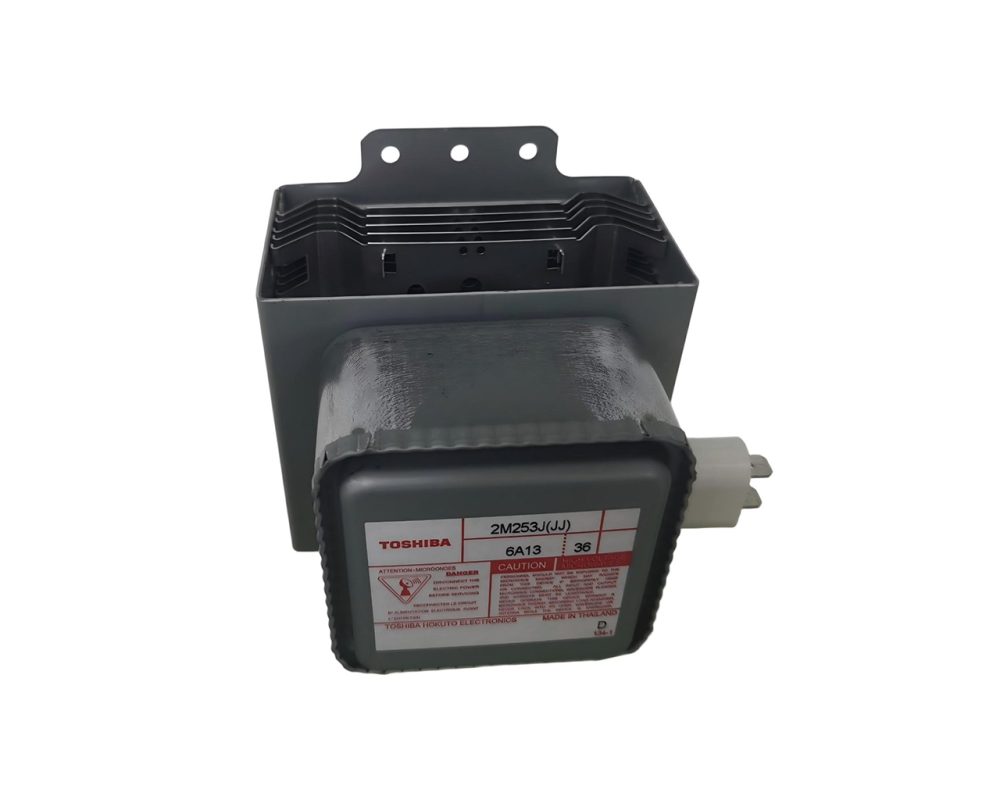
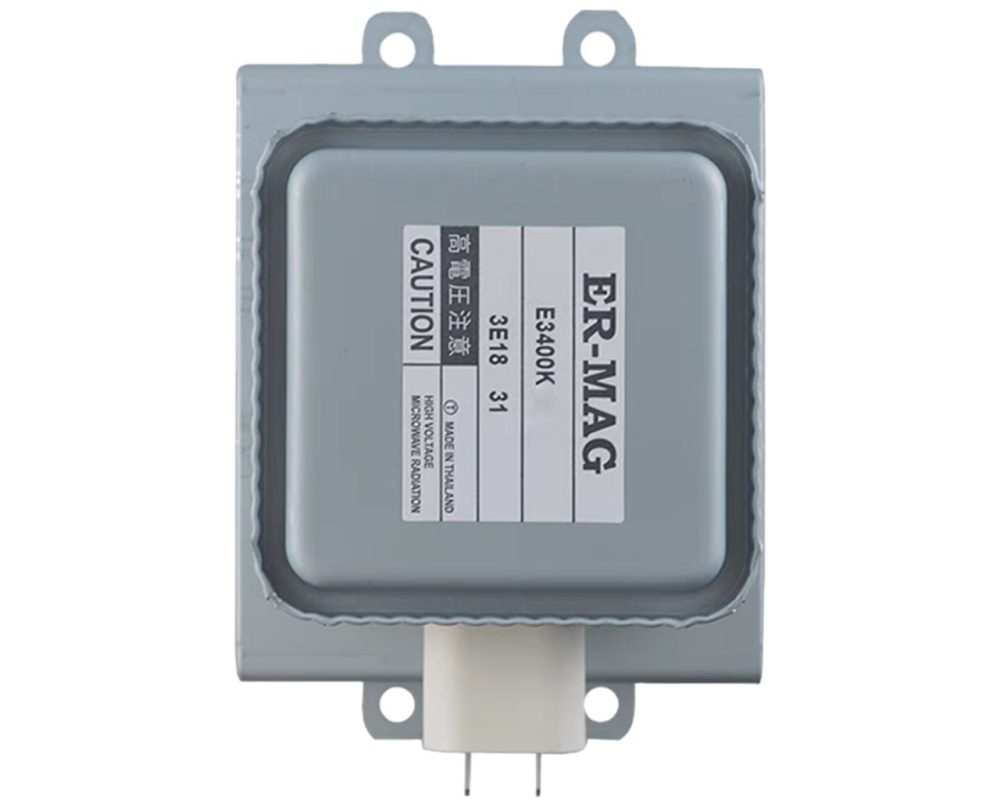
The field of industrial microwave heating is undergoing a fundamental transformation. For decades, magnetrons have served as the primary source of Radio Frequency (RF) power, prized for their cost-effectiveness and robust power output. However, as industries across various sectors transition toward more sophisticated, data-driven manufacturing models, the inherent limitations of vacuum tube technology—such as frequency drift and limited operational lifespan—have emerged as significant bottlenecks. The advent of [Solid-State Microwave Generators] offers a superior alternative, delivering the precision, stability, and longevity required for demanding industrial applications.
Precision Control and Frequency Agility
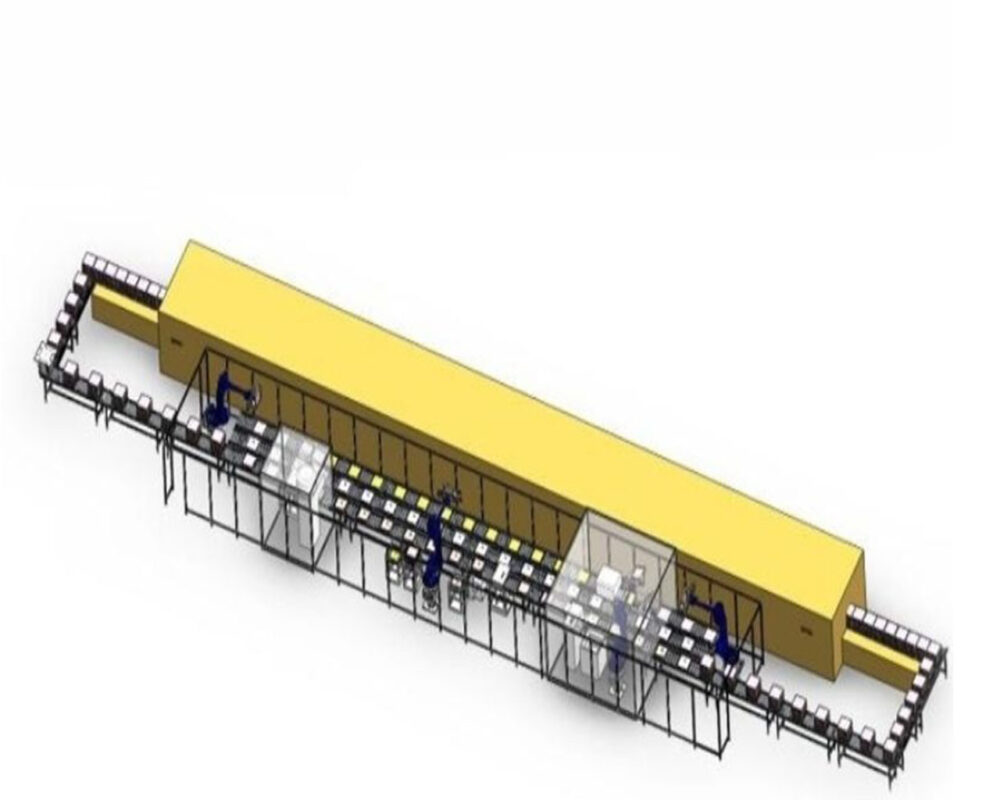
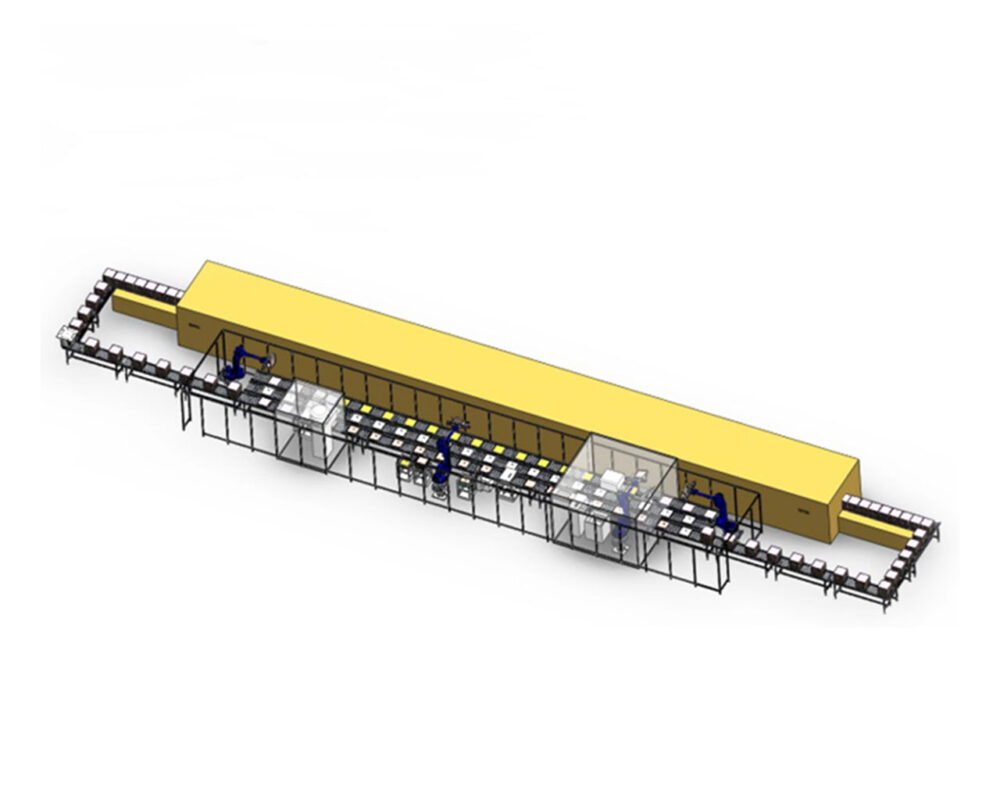
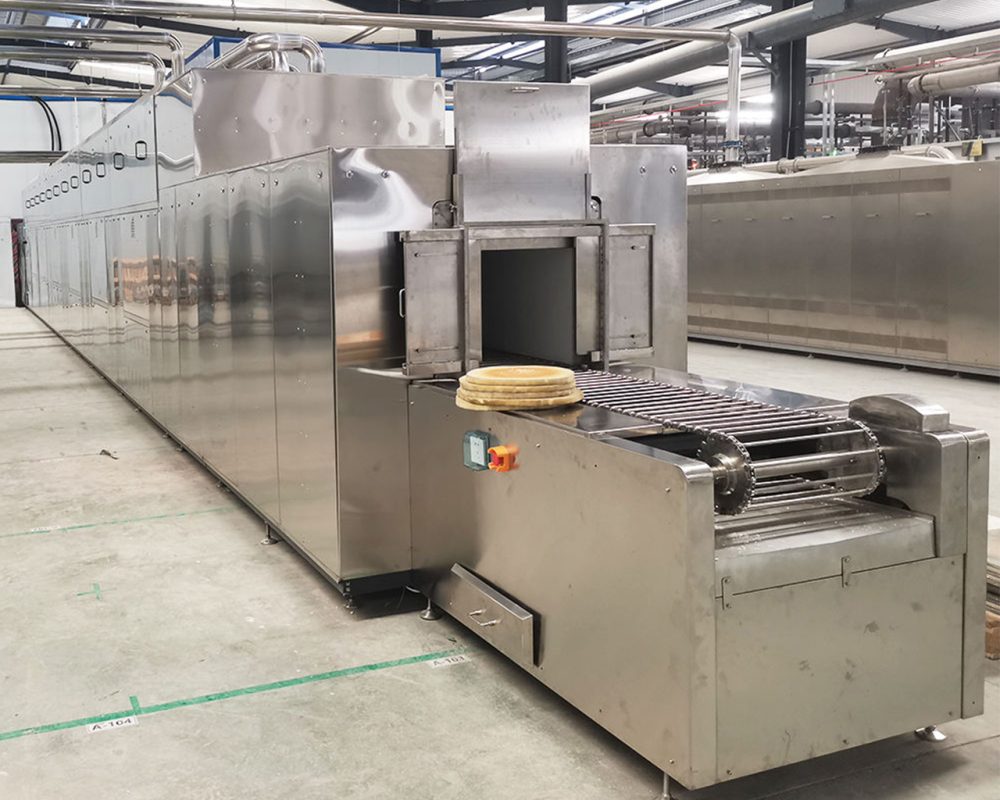
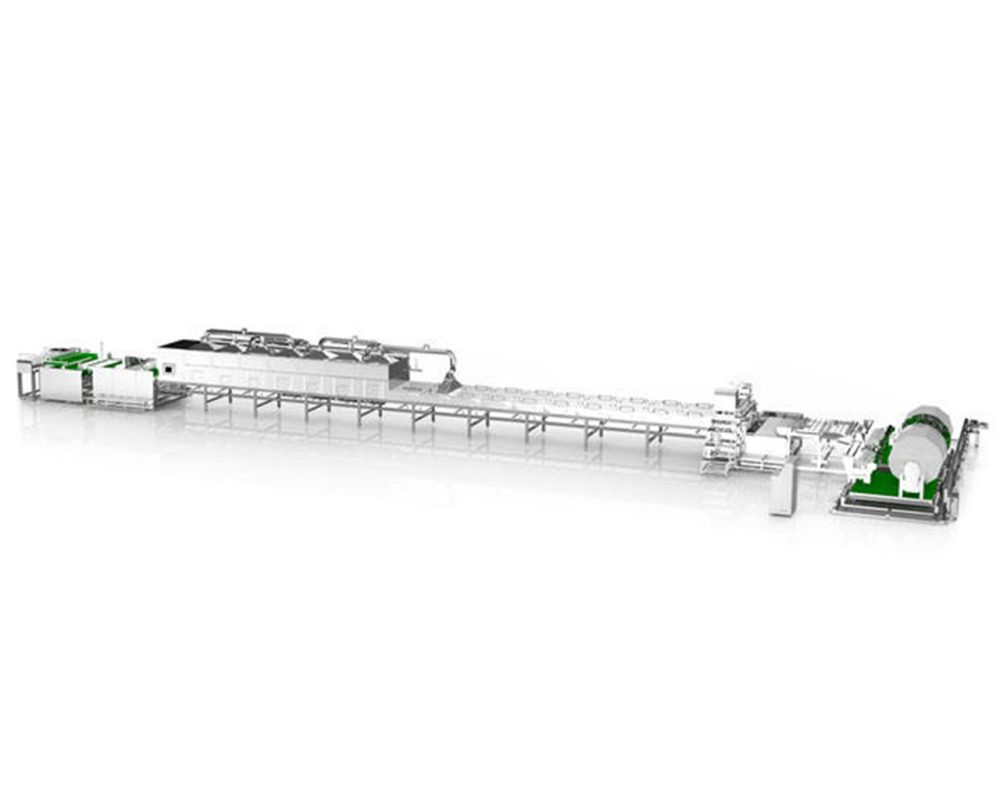
Unlike magnetrons—which operate at relatively fixed and often unstable frequencies—solid-state generators utilize high-power transistors to generate RF energy. This enables the system to exercise highly granular control over the output signal. One of its most critical advantages is frequency agility—the ability to adjust the operating frequency in real time. This capability ensures that the system can continuously track and lock onto the cavity’s resonant frequency, even as the dielectric properties of the material being heated change during the process. This feature is particularly crucial in applications such as [Aerogel Microwave Automation], where maintaining perfect frequency matching often determines the difference between producing a high-quality final product and incurring massive losses due to scrapped batches.
The Pindom Advantage: Engineered for Modular Reliability
In demanding industrial production environments that require continuous 24/7 operation, hardware reliability is the primary factor determining the Return on Investment (ROI). Addressing this critical need, Pindom has developed a series of solid-state power solutions that prioritize maintainability while delivering exceptional performance. Pindom generators feature a modular, “blade-style” architectural design. This design ensures that even if an individual power module fails, the remainder of the system continues to operate normally, thereby effectively preventing the “total system downtime” scenarios commonly associated with traditional single-source magnetron-based equipment.
Numerous enterprise-level users choose Pindom precisely because its systems integrate advanced [Microwave Power Supply] technology. These switching power supplies feature exceptionally high conversion efficiency and rapid response speeds, thereby enabling a pulsed power output mode. This mode allows for fine-tuned adjustments tailored to precise chemical reaction processes or pharmaceutical drying operations. By adopting Pindom generators, manufacturers benefit from an exceptionally high Mean Time Between Failures (MTBF)—typically exceeding 100,000 hours—which, compared to traditional vacuum-tube-based systems, significantly reduces equipment maintenance costs and downtime.
Furthermore, Pindom devices are designed from the ground up to ensure seamless integration with modern PLCs (Programmable Logic Controllers) and 3D vision control loops. The digital nature of these solid-state power supplies facilitates comprehensive data logging and remote diagnostics, providing the transparency necessary to meet “Smart Factory” standards. When requirements for precision and equipment uptime are non-negotiable, Pindom delivers high-performance power generation hardware, ensuring the stable operation of even the most complex microwave processes.
Conclusion
The transition to solid-state microwave power supply technology represents a strategic investment in process reliability and product consistency. Although the implementation of this technology differs from that of traditional magnetron-based systems, its advantages—particularly in terms of frequency control, modular design, and extended operational lifespan—are undeniable. By adopting Pindom’s advanced solid-state solutions, industrial operators can transcend the limitations of traditional hardware and achieve a comprehensive leap in efficiency within the fields of automated microwave heating and materials processing.